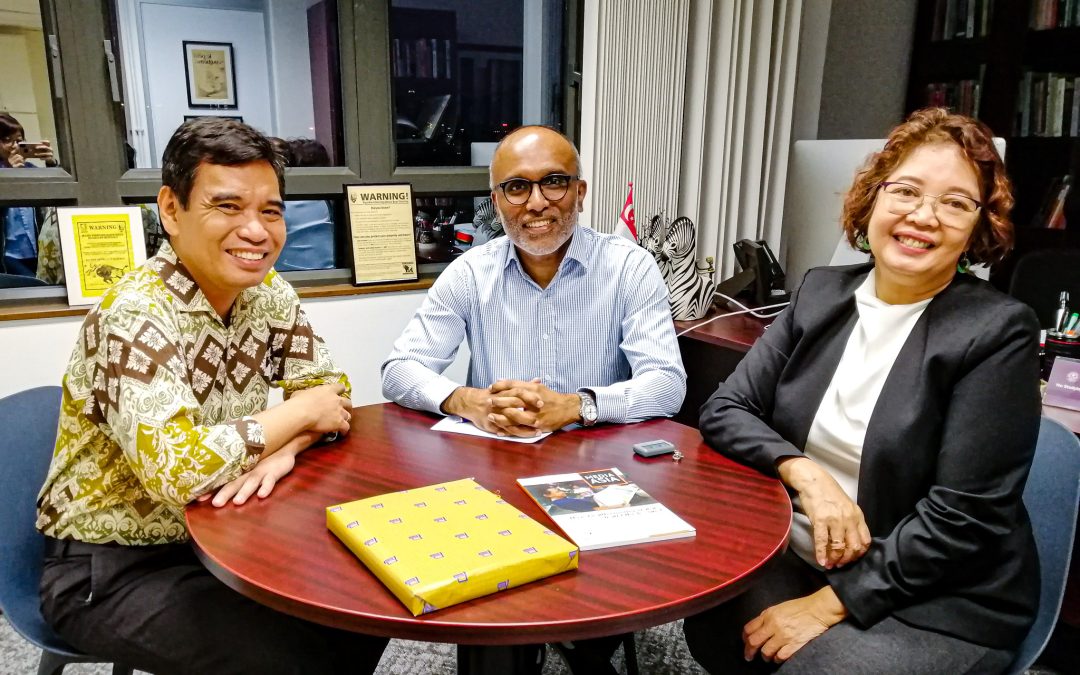
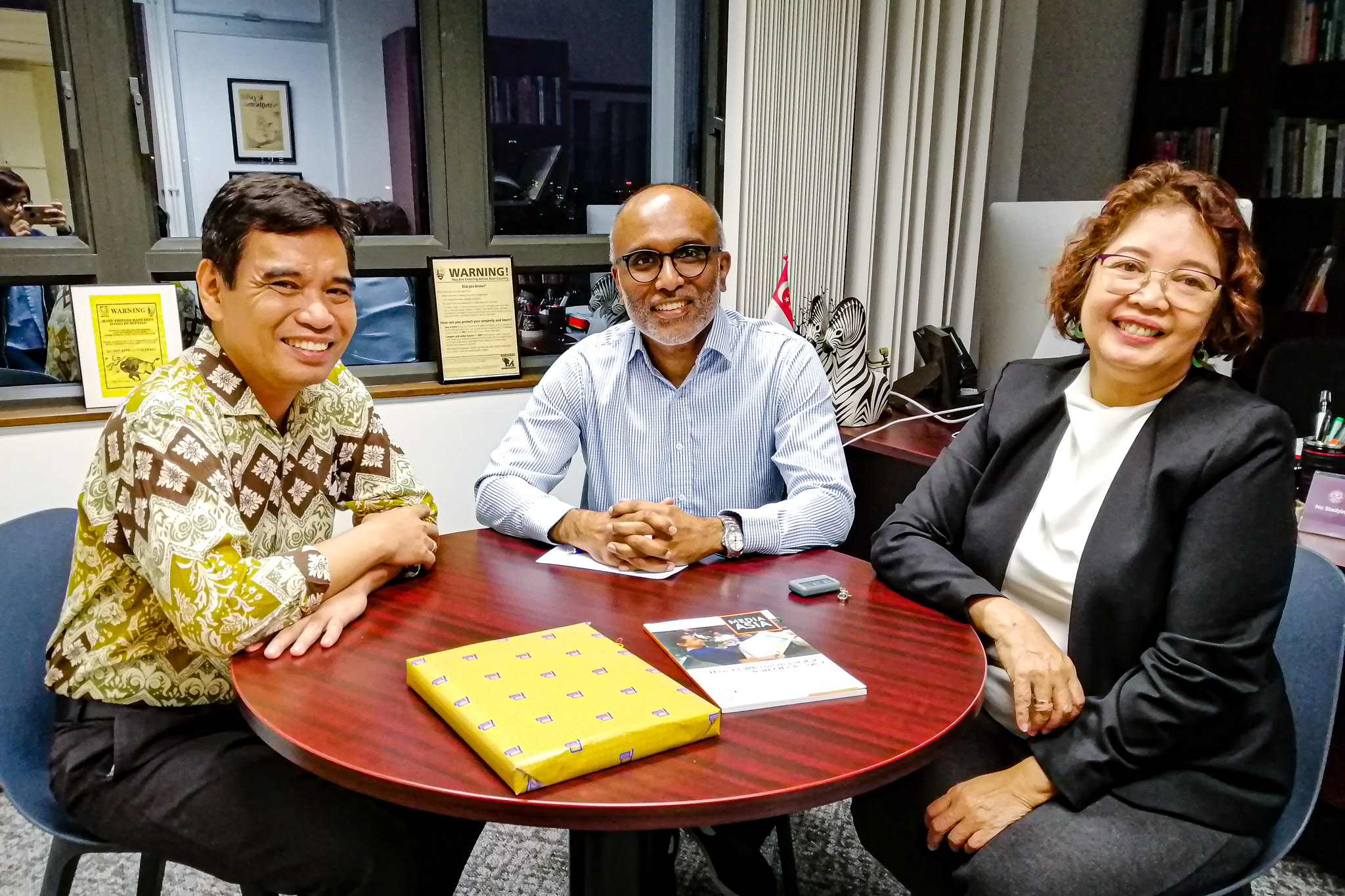
Call for Papers – ‘Living with Digital Platforms in Asia-Pacific: Everyday Life, Participation, Policy, and Rights’

Call for papers (abstracts due 7 February 2020)
‘Living with Digital Platforms in Asia-Pacific: Everyday Life, Participation, Policy, and Rights’
Special issue of Asian Journal of Communication

Edited by:
Gerard Goggin (Nanyang Technological University, Singapore)
Titik Rahayu (Universitas Airlangga, Surabaya, Indonesia)


Internationally, the rise of digital platforms is a highly visible phenomenon in contemporary media and communications and social life. This special issue puts the spotlight on the prefiguring, incubation, and emergence of, and contests over, digital platforms in the Asia Pacific region.

It aims to bring together research, perspectives, proposals, provocations, and debate on questions such as:


  • What are the business models, economics, and service offerings of digital platforms in the Asia-Pacific region?
  • What are the socio-political and economic challenges for startups in developing countries to develop new digital platforms and compete with established multinational corporations?
  • How do digital platforms circulate and operate across and within the Asia and Pacific regions? What are the connections between digital platforms in Asia and other regions, as well as global digital platforms?
  • How do digital platforms figure in ­everyday life in Asian and Pacific settings, and what are their socio-cultural dynamics and implications?
  • What are the social imaginaries of Asian and Pacific digital platforms?
  • What theories and concepts are elicited by, and are suitable for, researching Asian and Pacific digital platforms?
  • What is the state of play for digital platforms in relation to social, political, cultural, and other forms of participation?
  • What are the policy issues being raised by digital platforms in Asian and Pacific contexts, and how are policymakers and regulators responding?
  • Where do digital platforms fit into questions of inequality and social justice?
  • What of the implications of digital platforms for communication and expression rights, as well as other human, social, and cultural rights?
  • What are the alternatives to digital platforms being generated or debated in Asian and Pacific societies?


We welcome papers on these and other relevant aspects of digital platforms in Asia and Pacific. We are especially interested in research that addresses neglected or new case studies and dimensions of Asian digital platforms. Also we encourage papers that reflect upon and comment upon the research, practice, policy, and other agenda on digital platforms in Asia-Pacific contexts.

Please send a 300-500 word abstract for consideration by 7 February 2020 to the special issue editors:

Gerard Goggin, Nanyang Technological University (gerard.goggin@ntu.edu.sg);
Titik Rahayu, Universitas Airlangga (titik.rahayu@fisip.unair.ac.id)

Following notification of acceptance of abstract, full papers of 6000-9000 words will be due by 15 July 2020 (with full submissions due by 15 December 2020).

For more information on the Asian Journal of Communication, and its style requirements, see https://www.tandfonline.com/toc/rajc20/current.
The 26th International Conference of the International Association for Intercultural Communication Studies (IAICS)

The 26th International Conference of the International Association for Intercultural Communication Studies (IAICS)

Call for Papers

Conference Time: May 28-31, 2020
Conference Venue: Manipal Academy of Higher Education (MAHE), Manipal, Karnataka, India Conference Hosts: MAHE, India, and University of Louisville, USA
Conference Theme: Diversity and Multiculturalism in Contemporary Times

As we move further into the 21st century, issues of diversity and multiculturalism are becoming increasingly complex. The constant flow of persons, cultures, and ideas between and among nations not only intensifies contact and connection among global citizens but also brings to the surface both emergent and perennial issues of difference, identity, and territory. With expansive networks moving at breakthrough speeds and intensities, the very concepts of diversity and multiculturalism are changing, especially as they encounter transglobal forces of nationalism, populism, and hegemony. What does it mean to live in a multicultural society? How does the one and the many create community, resolve conflicts, in complicated religious, linguistic, educational, and cultural contexts? What happens to minorities and indigenous peoples within larger majority cultures? The theme of this conference seeks to address these issues in the context of nations and the larger world.

Conference Goals:

  • To provide scholars, educators and practitioners from different cultural communities with opportunities to interact, network and benefit from each other’s research and expertise related to intercultural communication issues

  • To synthesize research perspectives and foster interdisciplinary scholarly dialogues for developing integrated approaches to complex problems of communication across cultures

  • To advance the methodology for intercultural communication research and disseminate practical findings to facilitate understanding across cultures

  • To foster global intercultural sensitivity and involve educators, business professionals, students and other stakeholders worldwide in discourses about diversity and transcultural communication issues.

Topic areas are broadly defined as, but not limited to, the following:

(please click here)


Guidelines for Submissions:


  • Abstract, 100-150 words in English, including positions, affiliations, email addresses and mailing addresses for all authors. Times New Roman 12 point font size, single spaced.

  • Panel proposals reflecting the conference theme or topic areas may be submitted. Panel proposals shall include title of panel, a 100-150 word abstract of each panelist’s paper (as above). Panel proposals must include positions, affiliations, email addresses and mailing addresses for all authors. Times New Roman 12 point font size, single spaced.

Contact: Please send abstracts, panel proposals, to the following email address: 26iaicsmanipal.2020@gmail.com

Deadline: Please submit abstracts and panel proposals by December 15,2019 Conference Working Language: English

Overview:

The International Association for Intercultural Communication Studies consists of scholars from a range of the cultural sciences who are dedicated to doing research on communication across cultures. Its membership is made up of participants from over 32 countries. These participants meet annually at different locations around the world to discuss common research interests. The results of their investigations are published in the journal of the organization, Intercultural Communication Studies (ICS).

Reorganizing Media Asia

Reorganizing Media Asia

ANNOUNCEMENT
November 15, 2019

Reorganizing Media Asia

The peer-reviewed journal Media Asia is transitioning to a new editorial leadership.

Danilo Arao, an associate professor of journalism at the University of the Philippines (UP) Diliman, is currently being phased in as the new editor. He replaces Cherian George, an associate dean of the School of Communication at Hong Kong Baptist University (HKBU).

Aside from teaching journalism at UP Diliman, he is also a special lecturer at the Department of Journalism of the Polytechnic University of the Philippines (PUP) Sta. Mesa, Manila. In the past, he taught courses in political science, journalism and communication at De La Salle University in the Philippines, Hannam University in South Korea and Technisché Universität (TU) Ilmeanau in Germany.

As a practicing journalist, he works as associate editor of the online publication Bulatlat Multimedia and writes a column for another online publication Pinoy Weekly. He is also board secretary of Kodao Productions (a multimedia group) and board treasurer of Alipato Media Center (publisher of Bulatlat Multimedia).

He has authored books in Filipino and English, examples of which are Kuro-kuro [Opinion] (Flipside Publishing, 2015); and The ASEAN guide: A journalist’s handbook to regional integration in Southeast Asia [with M. Löffelholz as co-author] (International Institute for Journalism-GIZ, 2011).

He brings to Media Asia his experience editing the peer-reviewed journals Plaridel, Philippine Journalism Review and Social Science Diliman, as well as reviewing manuscripts for other academic journals and publishing houses. Outside the academe, he worked for seven years as editor-in-chief and research head of IBON Foundation, an independent research think-tank that conducts research on socioeconomic issues.

Under Arao’s editorial leadership, Media Asia aims to publish articles on the practice of the media profession, focusing on trends and patterns that could help make sense of the current environment.

Media Asia thanks Cherian George for his services and welcomes Danilo Arao as its new editor.

Established in 1974, the peer-reviewed journal is published by the Asian Media Information and Communication (AMIC) Centre and Routledge Taylor & Francis Group.

(end)

Books

Books

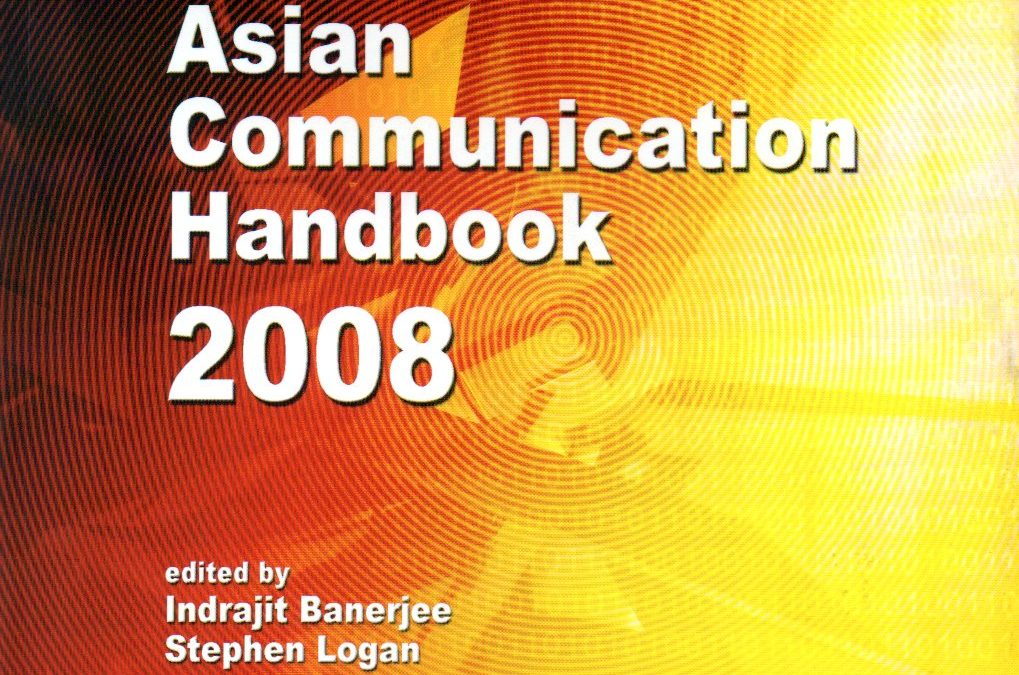
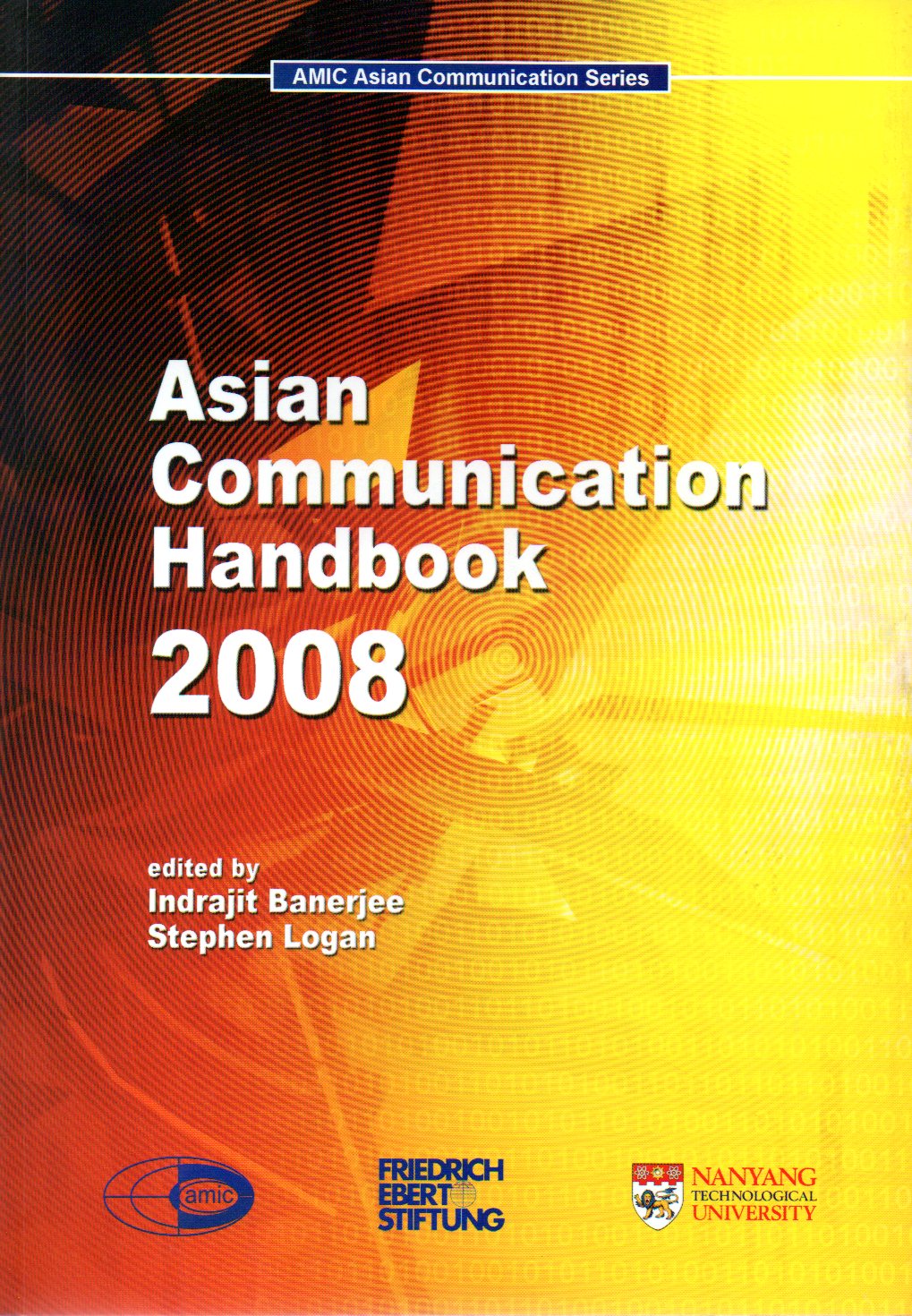
Asian Communication Handbook 2008
Edited by: Indrajit Banerjee Stephen Logan
ISBN 978-981-4136-10-5

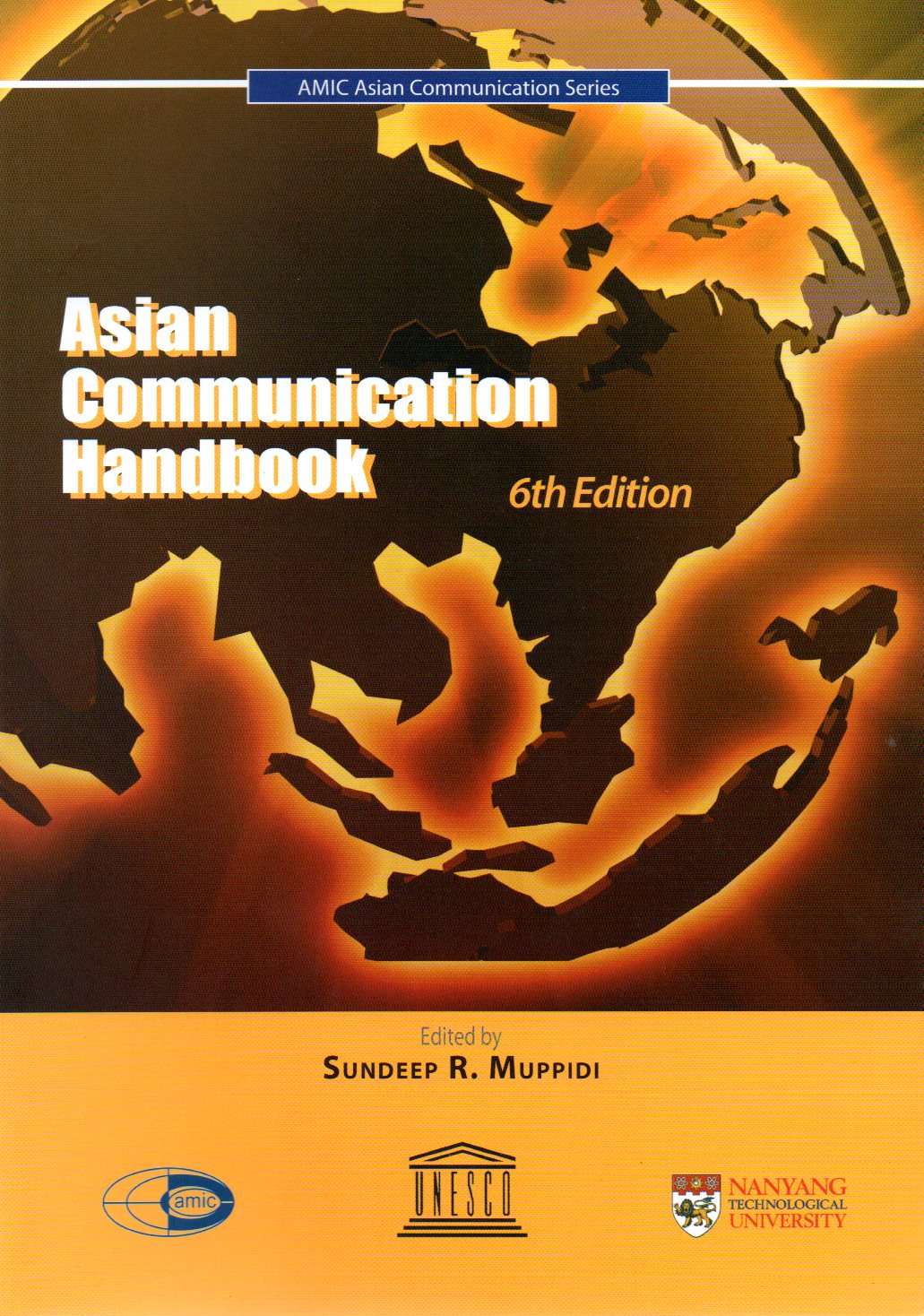
Asian Communication Handbook
– ISBN-13: 978-9814136181
– Editor: Sundeep Muppidi
 
– The Asian Communication Handbook, the flagship publication of AMIC, is considered a mandatory read in the development communications in the Asia-Pacific region. It has two approaches in the discussion of communication: The first section entitled, Theoretical Perspectives, tackles issues pertaining to the need to integrate new paradigms in media delivery and audience behaviour through the integration of community oriented, culture intensive and context specific research criteria. The second section on Mediascapes profiles 26 countries from the Asia-Pacific region containing information on the current media and communication scene.
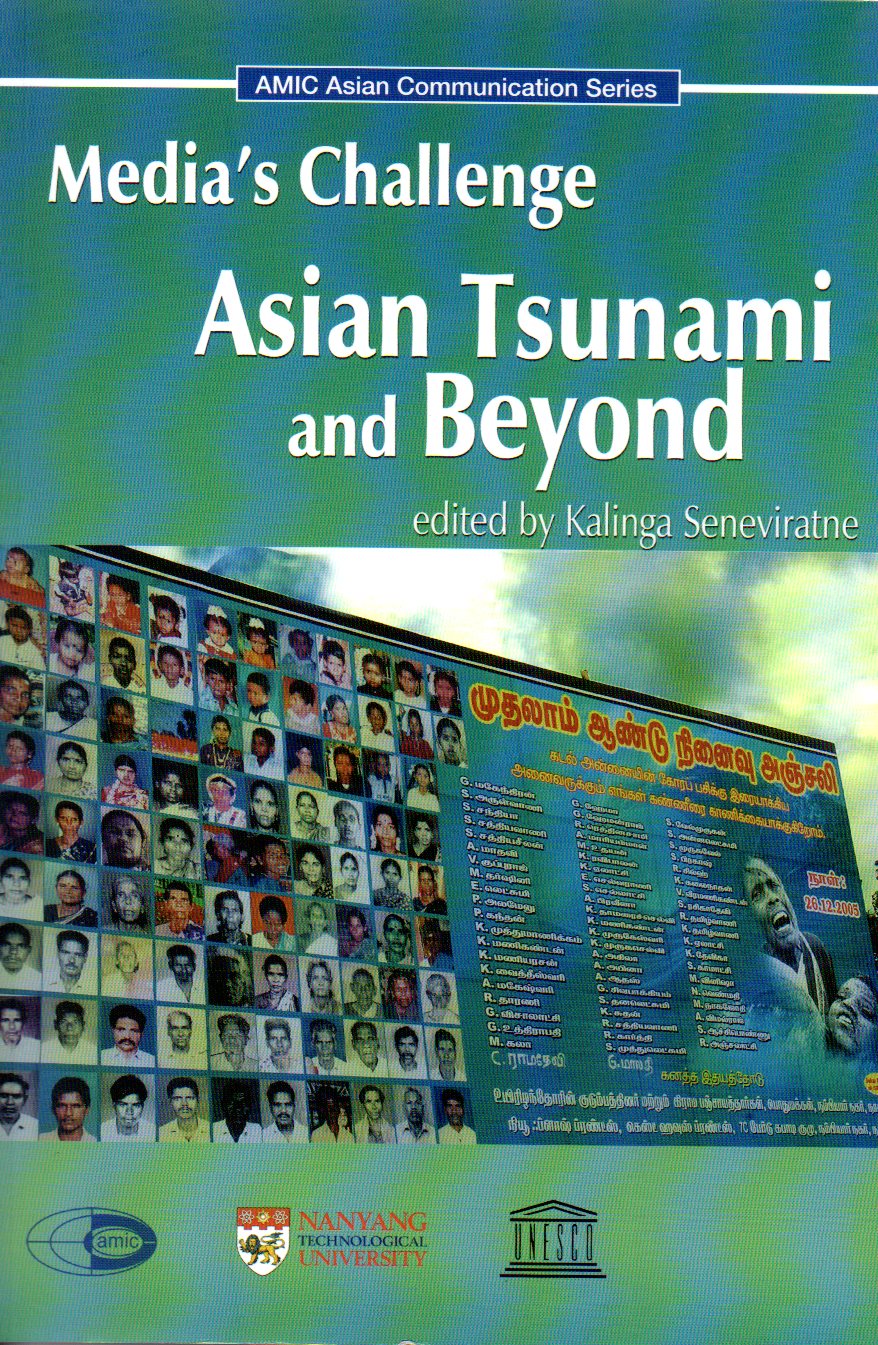
Media’s Challenge Asian Tsunami and Beyond
Edited by Kalinga Seneviratne
ISBN 978-981-4136-10-5
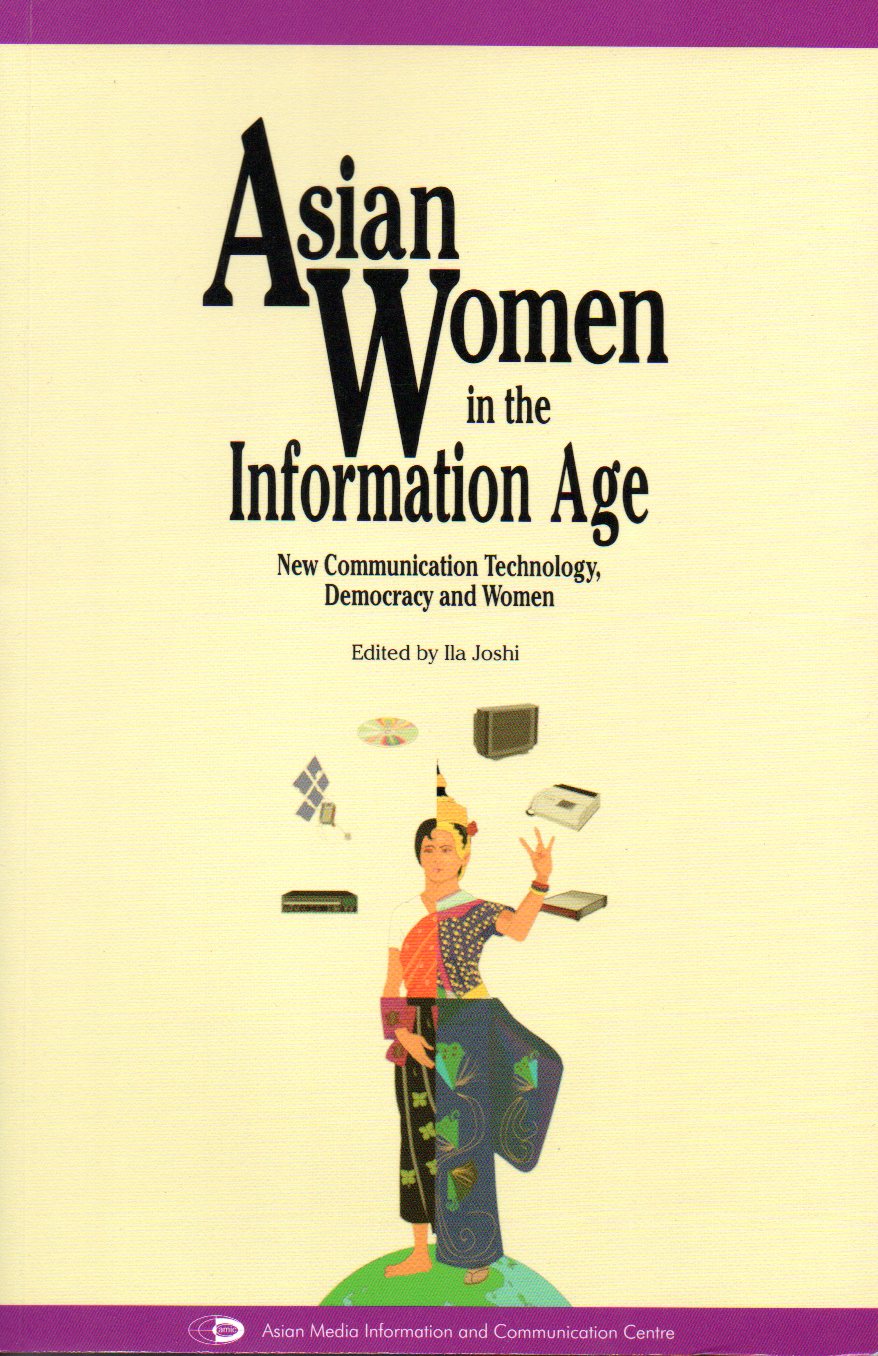
Asian Women in the Information Age
edited by Ila Joshi
ISBN 9971-905-72-3
 
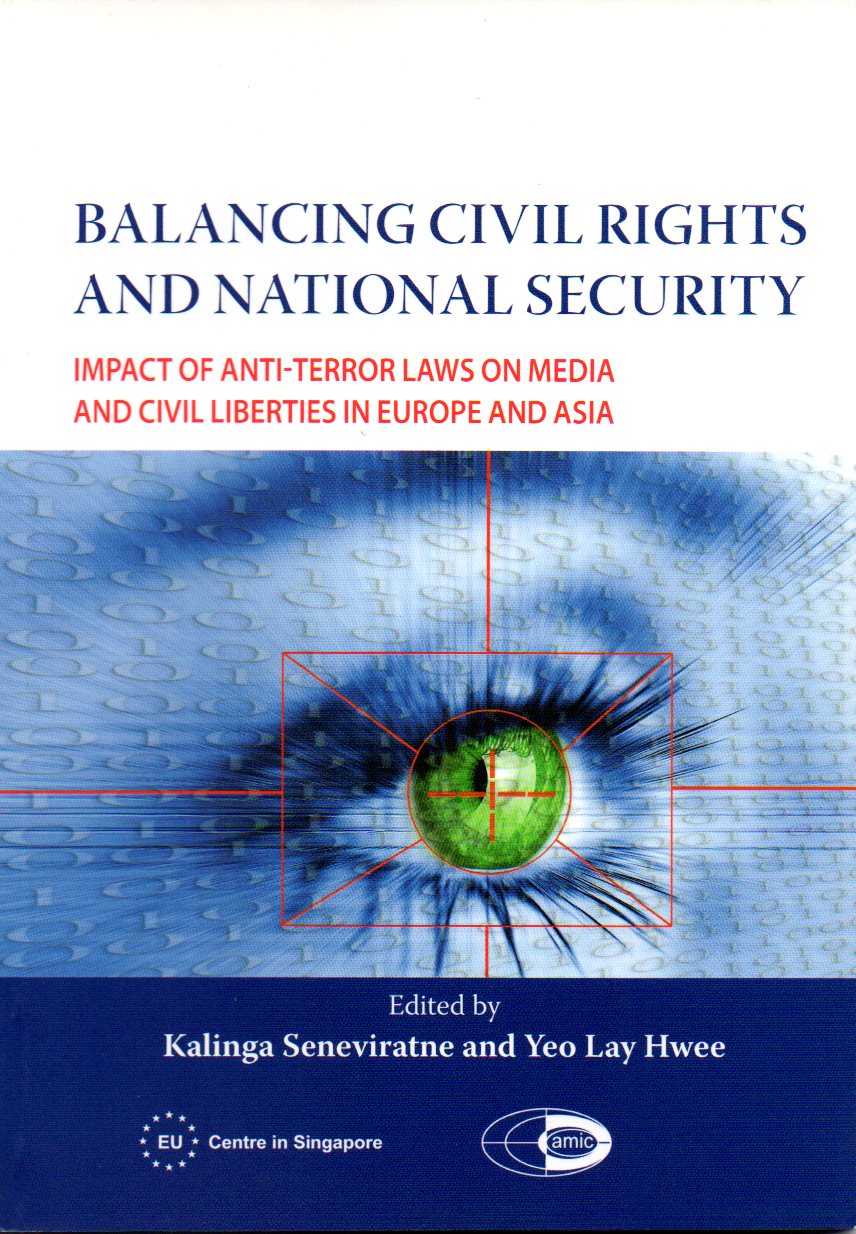
Balancing Civil Rights and National Security: Impact of Anti-Terror Laws on Media and Civil Liberties in Europe and Asia Edited by Kalinga Seneviratne &Yeo Lay Hwee 
ISBN-13: 978-9810709099 
 
Following the adoption of anti-terror laws in the aftermath of 9/11, it seems that these laws have resulted in censorship and self-censorhip to the detriment of society s right to be informed. The first report of the book examines critically how governments in the UK, France, Germany, Netherlands and Denmark are grappling with the dilemma in treading a delicate balance between civil liberties and national security. The second report examines how five Asian countries, namely Pakistan, India, Indonesia, Philippines and Sri Lanka, which have suffered from terrorist attacks in the past decade, are adopting a free rein attitude in enforcing terrorism laws. The two reports reflect that there are commonalities in the way governments and law enforcement authorities have been using the anti-terror laws to stifle free reporting.
 
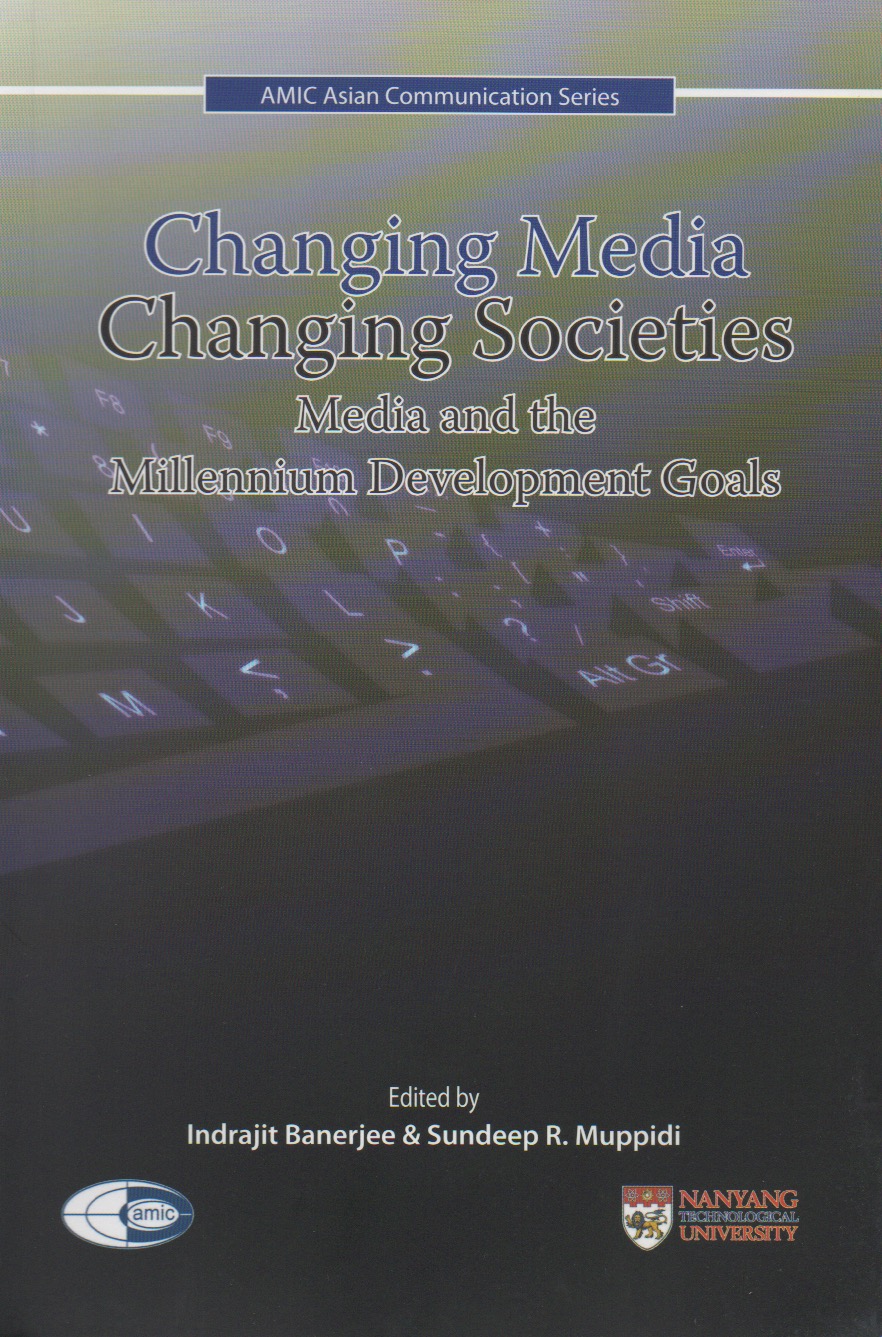
Changing Media, Changing Societies: Media and the Millennium Development Goals (2009) 
Edited by Indrajit Banerjee and Sundeep R. Muppidi 
ISBN -13: 978-9814136136 
 
In the midst of amazing discoveries, inventions and scientific advancements that we have achieved today, it is ironic that more people lack the basic needs of food, water and shelter than any other time in mankind’s history. Half a billion of the world’s adults are illiterate. Of all these, two-thirds are women. In some countries, more food and clean water is wasted on feeding and fattening livestock while people in the other parts of the world lack even basic access to one meal and a glass of clean drinking water a day. After so many years if civilization and with so many advances in technology and living standards, yet we have been unable to resolve these inequalities. The United Nation’s Millennium Development Goals aim to resolve these inequalities by ending hunger, eradicating extreme poverty, providing universal education and facilitating gender equity, among other goals, one of the key stakeholders in this process is the media. In our globalized world, the media is more than just a watchdog. In every society, the media play important roles including creating, awareness, disseminating the relevant messages, providing channels of communication and ensuring transparency in this global effort of the UN to achieve its millennium development goals. Changing Media, Changing Societies: Media and the Millennium Development Goals, explores the media’s role in the UN’s effort. Selected papers from a conference of the same name have been organized and presented in this book under the sections of thematic issues, case studies of the media in various Asian countries and media representations of the various issues.
 

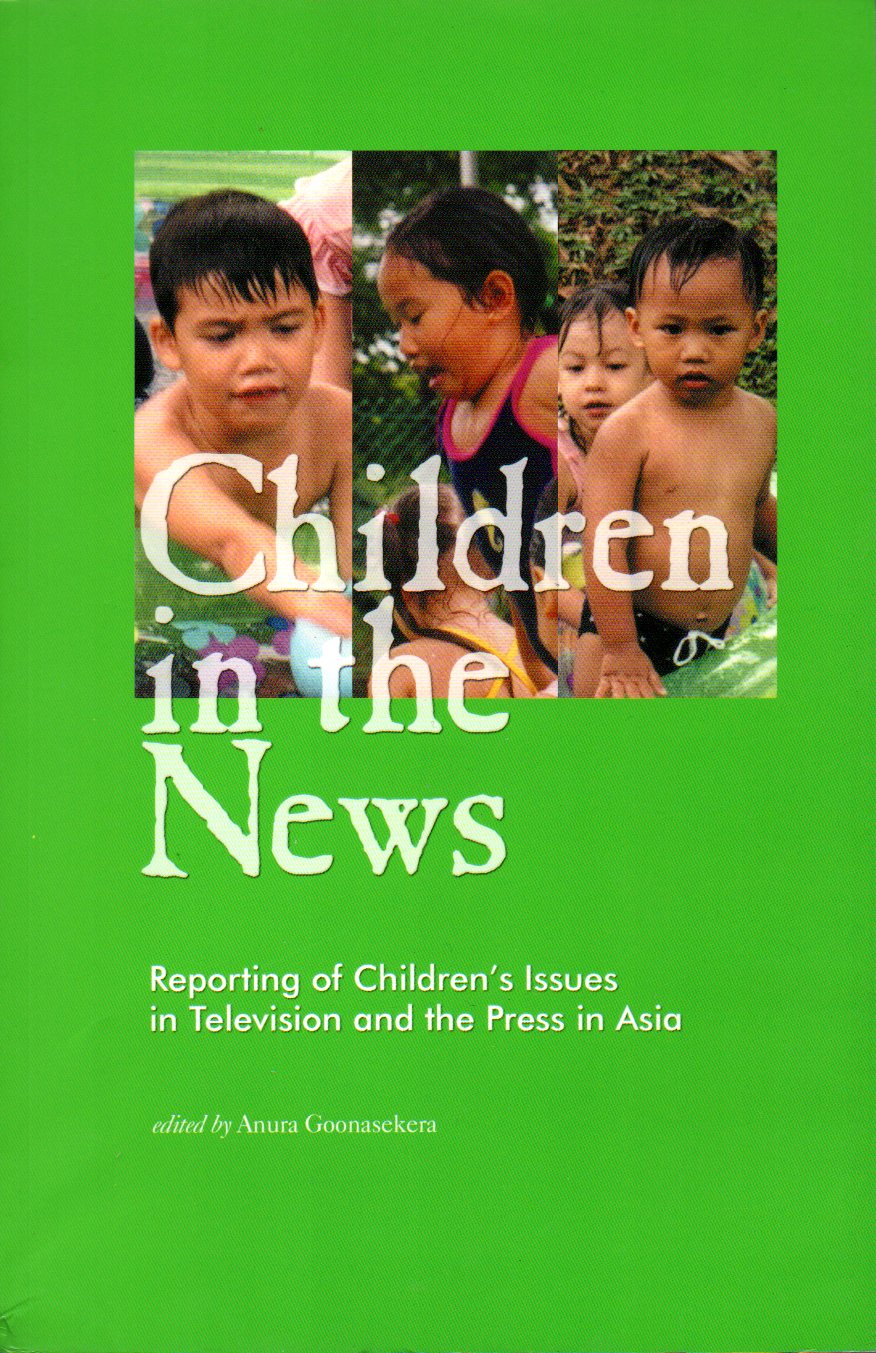
Children in the News
Edited by Anura Goonasekera
ISBN 9971-905-89-2

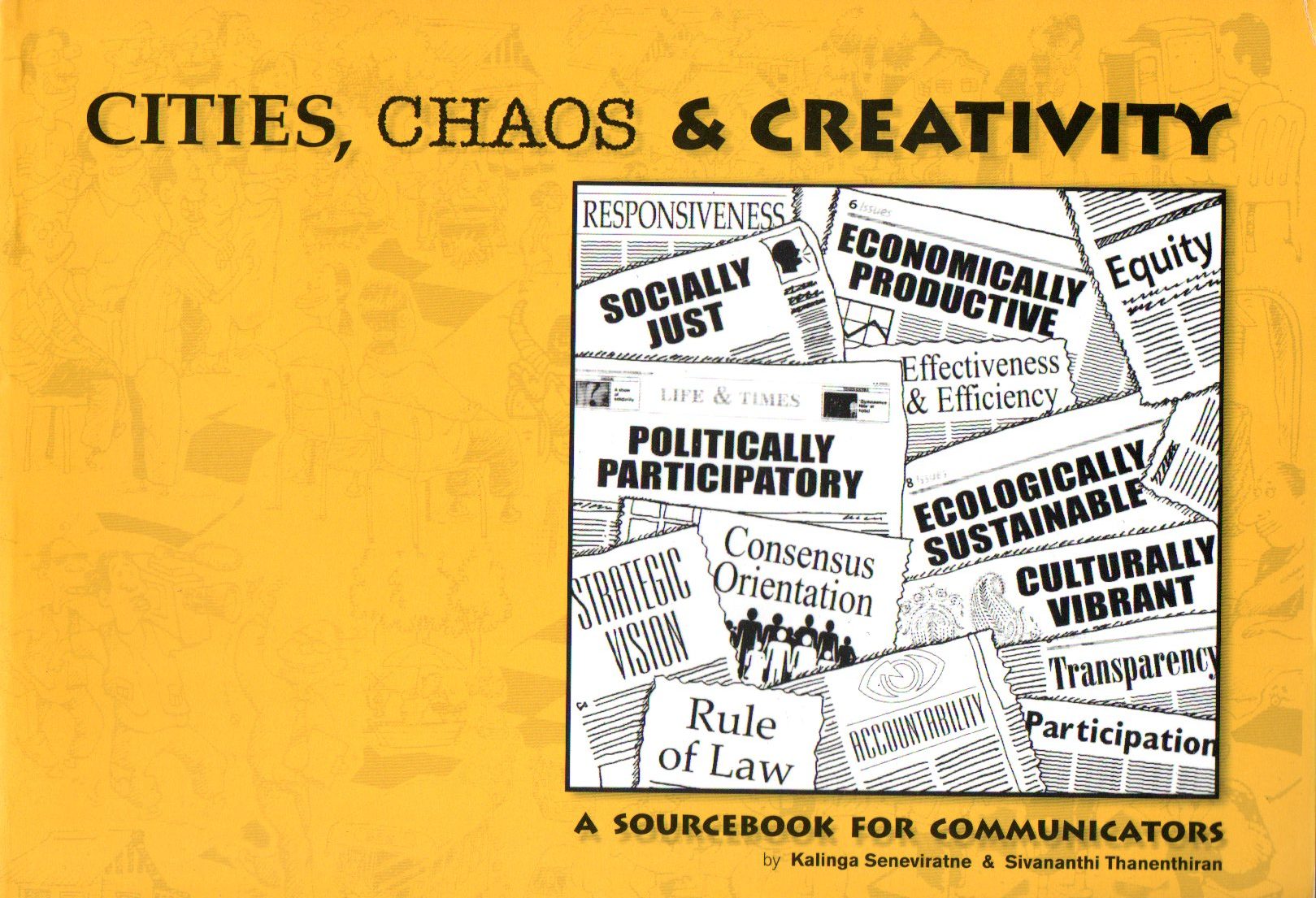
Cities, Chaos and Creativity
by Kalinga Seneviratne and Sivananthi Thanenthiran
ISBN 983-40995-1-7

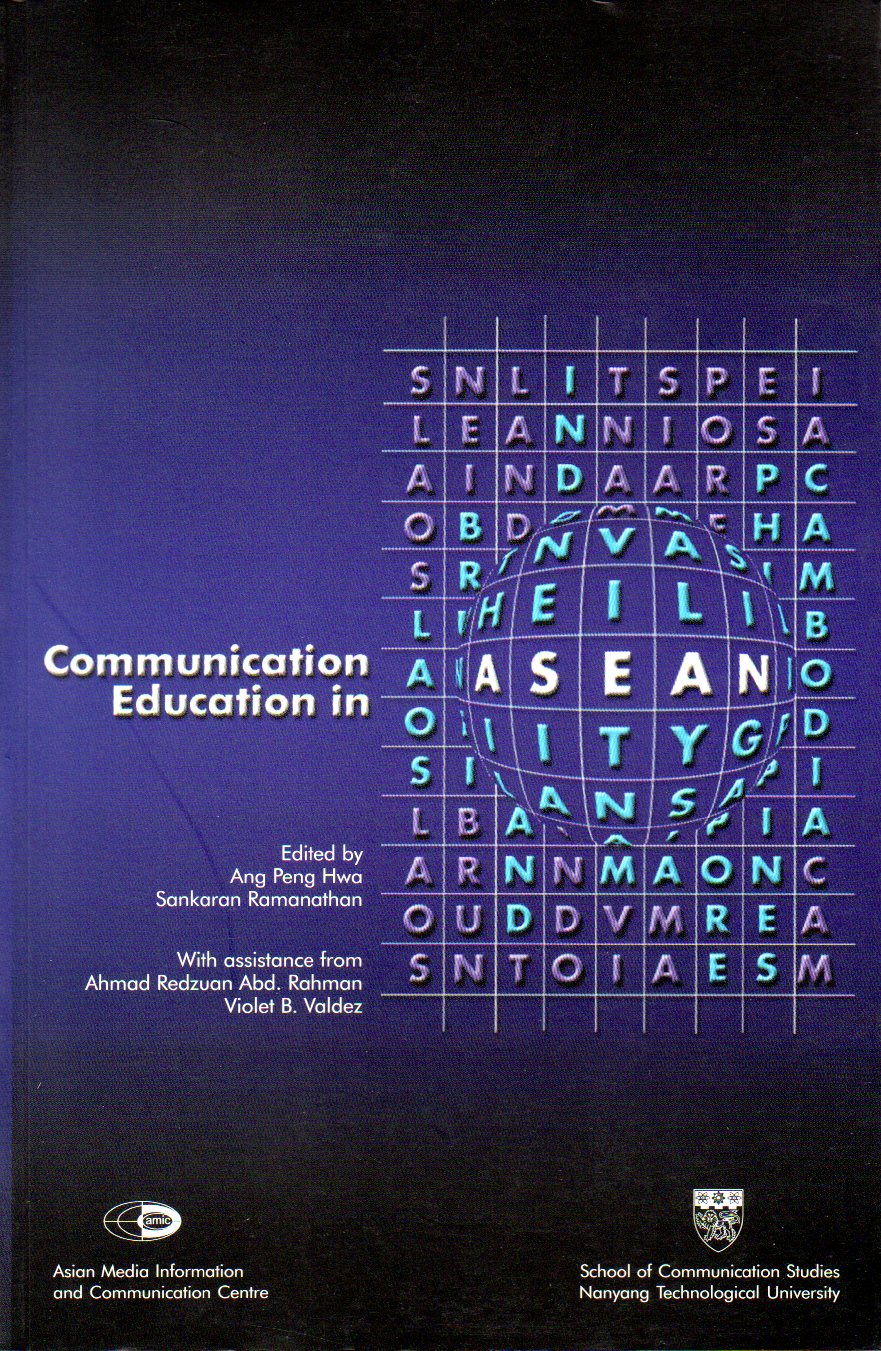
Communication Education in ASEAN
Edited by Ang Peng Hwa and Sankaran Ramanathan with assistance from Ahmad Redzuan Abd. Rahman and Violet B. Valdez ISBN 9971-905-79-5

Cyber Communities in Rural Asia
Edited by Kavita Karan
ISBN-13: 978-981-210-324-6
ISBN-10: 981-210-324-4

Development Communication in Directed Social Change
Edited by Srinivas R. Melkote
ISBN 13: 978-981-4136-15-0

The Fourteenth Paw
A Memoir by Everett M. Rogers
ISBN 978-981-4136-11-2

Free Markets, Free Media? Reflections on the political economy of the press in Asia (2008) 
Edited by Cherian George
ISBN-13: 978-9814136099

Press systems across Asia have undergone dramatic change in recent decades. The grips of authoritarian governments have been prised open by democratic forces in the Philippines, South Korea and Indonesia. Other regimes, such as China and Vietnam, retain tight political control but have allowed the growth of aggressively market-driven sectors that have transformed the media landscape. This faith in markets forces, though nowhere unconditional, has been strong enough to have tilted decisively the discourse on and practice of press freedom. However, there are also large costs and benefits that fail to be incorporated in the decision-making of producers and consumers operating within markets. From diverse vantage points, the writers in Free Markets, Free Media? pause to reflect critically on the impact of market forces upon efforts to build and consolidate more democratic media in Asia. Issues addressed include the argument for public funding to support media diversity, the need for grassroots media to better reflect non-elite priorities and concerns, developments in newsroom practices, biases in profit-oriented news media, and challenges to investigative journalism.

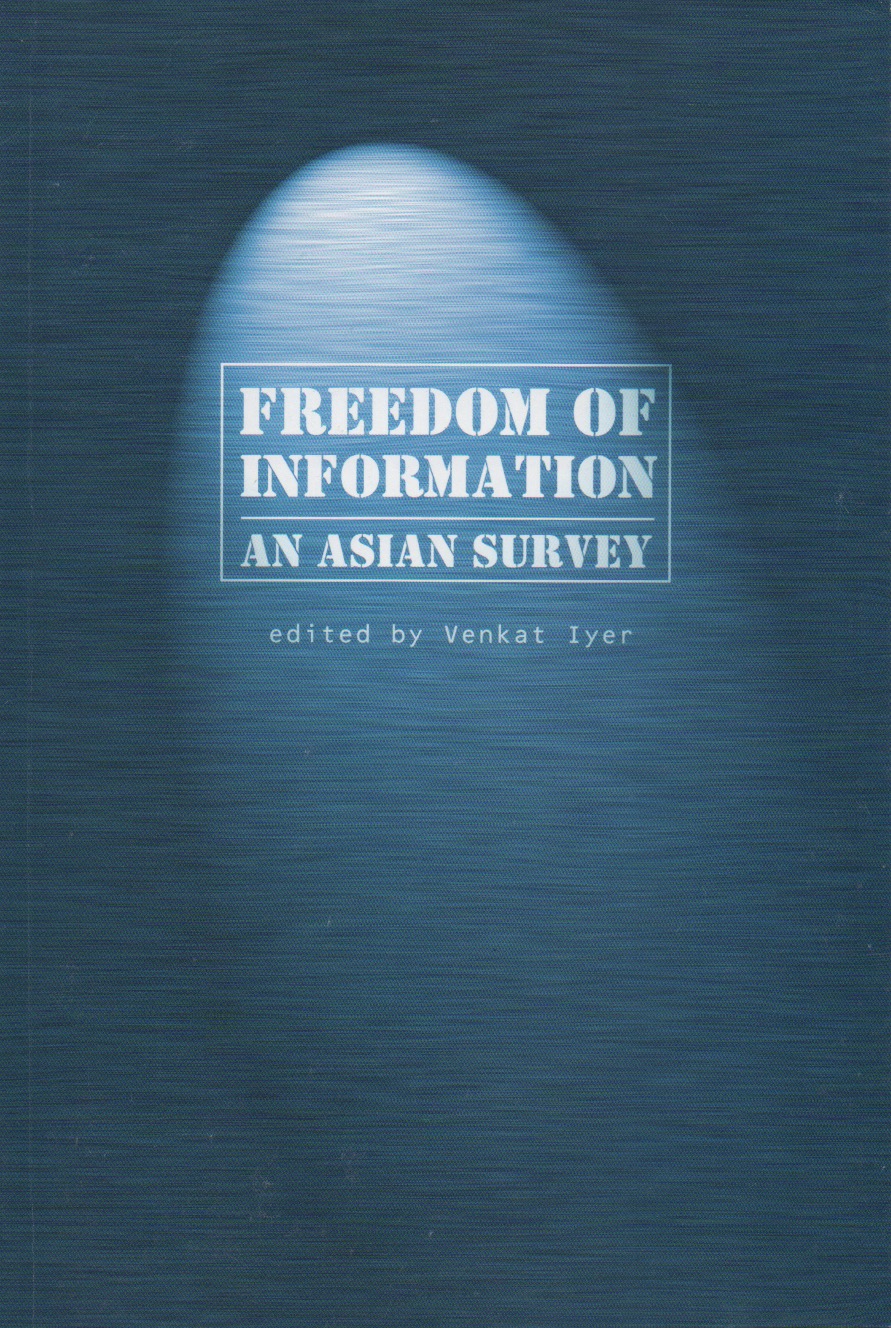
Freedom of Information an Asian Survey
Edited by Venkat Iyer
ISBN 9971-905-90-6

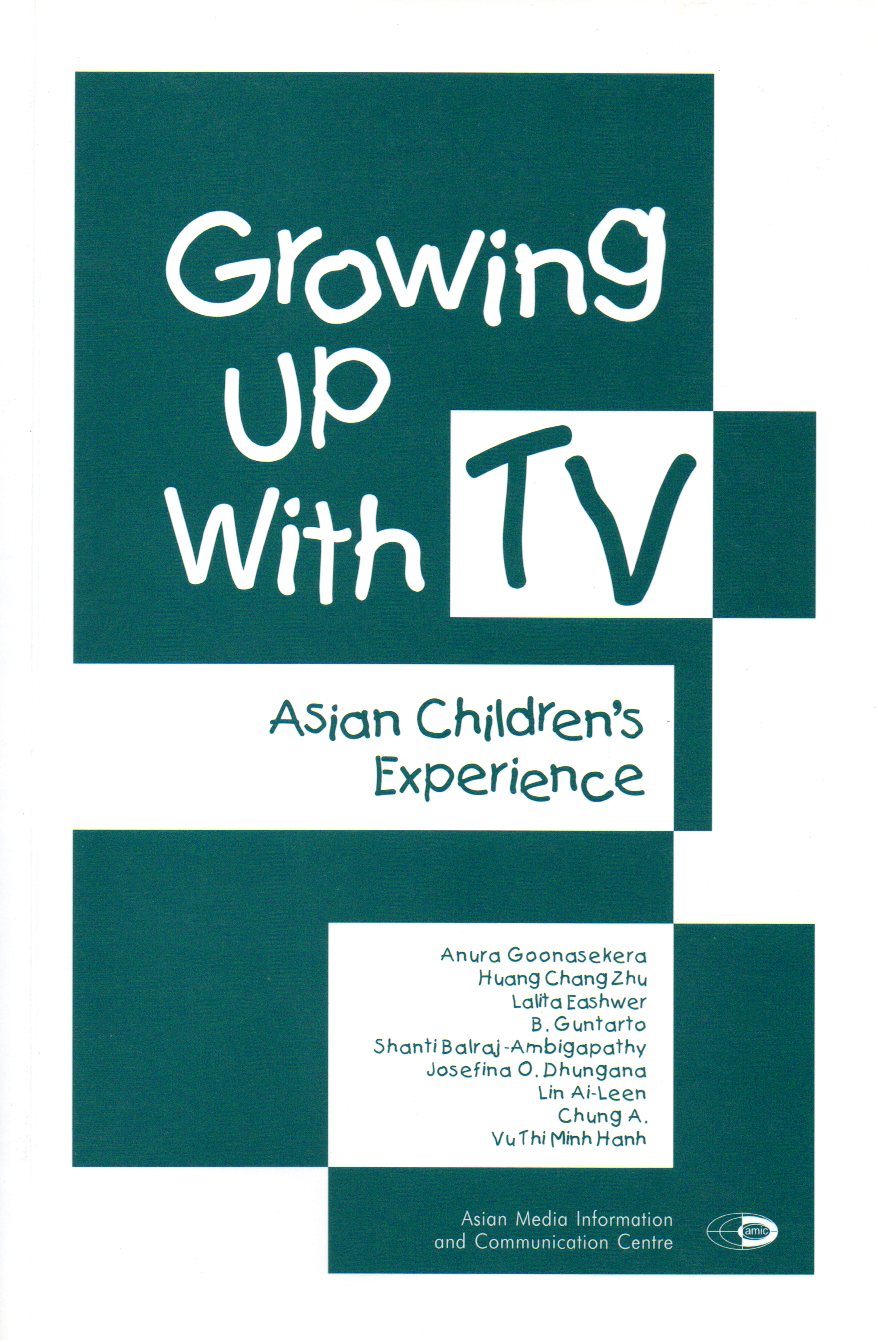
Growing Up with TV
by Anura Goonasekera
Huang Chang Zhu
Lalita Eashwer
B. Guntarto
Shanti Balraj-Ambigapathy
Josefina O. Dhungana
Lin Ai-leen
Chung A.
VuThi Minh Hanh
ISBN 9971-905-75-2

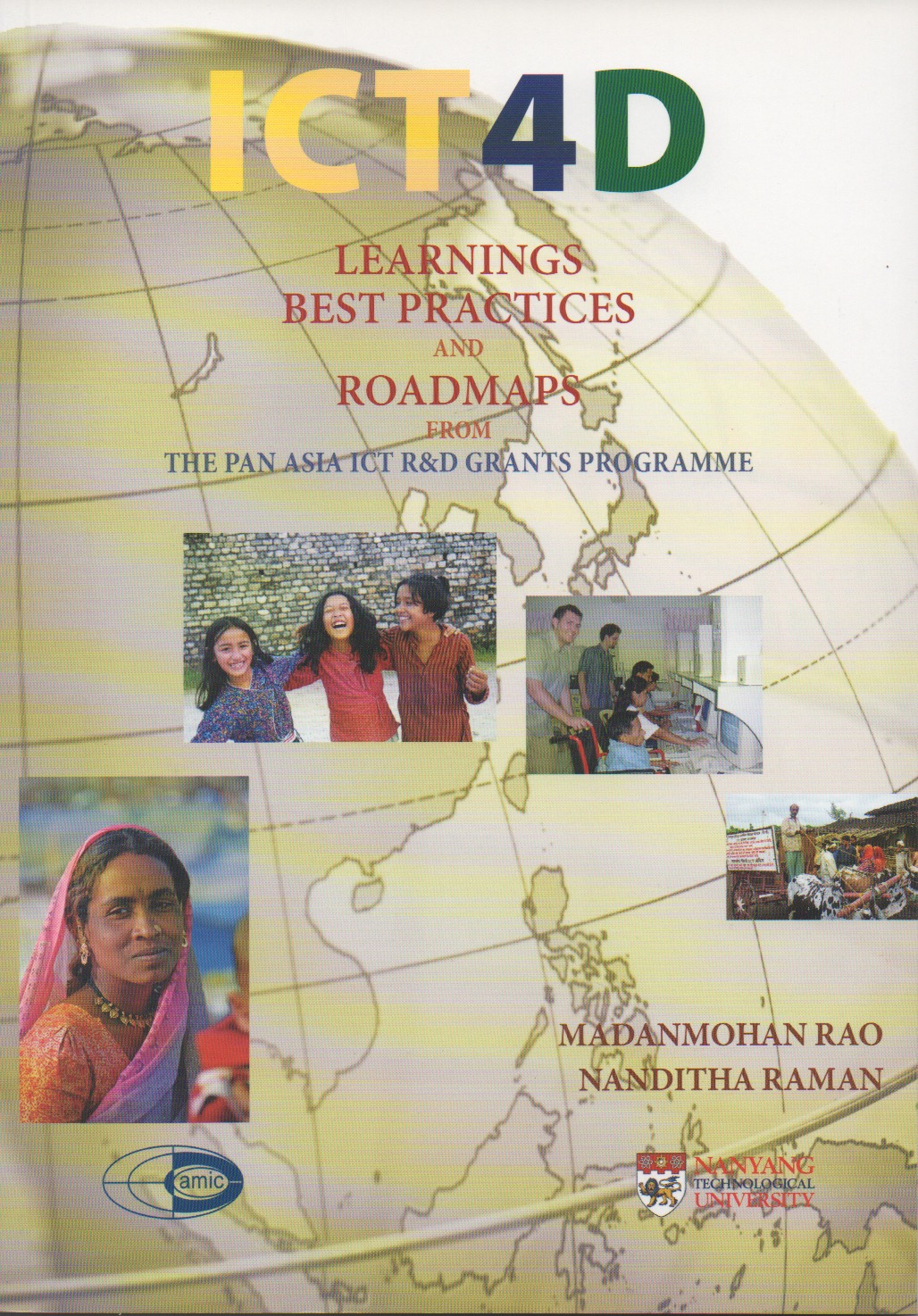
ICT4D: Learnings, Best Practices and Roadmaps from the Pan Asia ICT R&D Grants Programme (2009) 
Madanmohan Rao and Nanditha Raman
ISBN-13: 978-9810847746

This unique book presents extensive analysis and discussion from the Pan-Asia ICT R&D Grants Programme covering 56 projects in 18 countries across Asia-Pacific. In addition to inputs from the ICT4D project heads, the book features insights from 6 ICT experts who personally visited these projects for assessments, as well as the key take-aways from a 3-day Learning Forum bringing all project heads and assessment experts together with donors and sponsors of this ambitious ICT4D initiative. What have been the key contributions of ICTs to development projects in healthcare, education, gender equity, agriculture, environment, disaster management and policy research? How can such ICT4D projects reach sustainability, replicability and scalability? What are the challenges involved in capacity building and execution for such social entrepreneurship projects? And what new horizons open up for these regional initiatives in the future? These are the key questions addressed in this publication. The book also provides valuable insights into the passion, motivation and experience shared readily by the ICT4D practitioners across the region. And on a lighter note, it also captures some of the amusing and humorous anecdotes along the way which make ICT4D such a human adventure at the end of the day! The book also has a companion CD and Web site with a wealth of information for ICT4D practitioners, donors and researchers, including video interviews, assessment surveys, and worksheets.

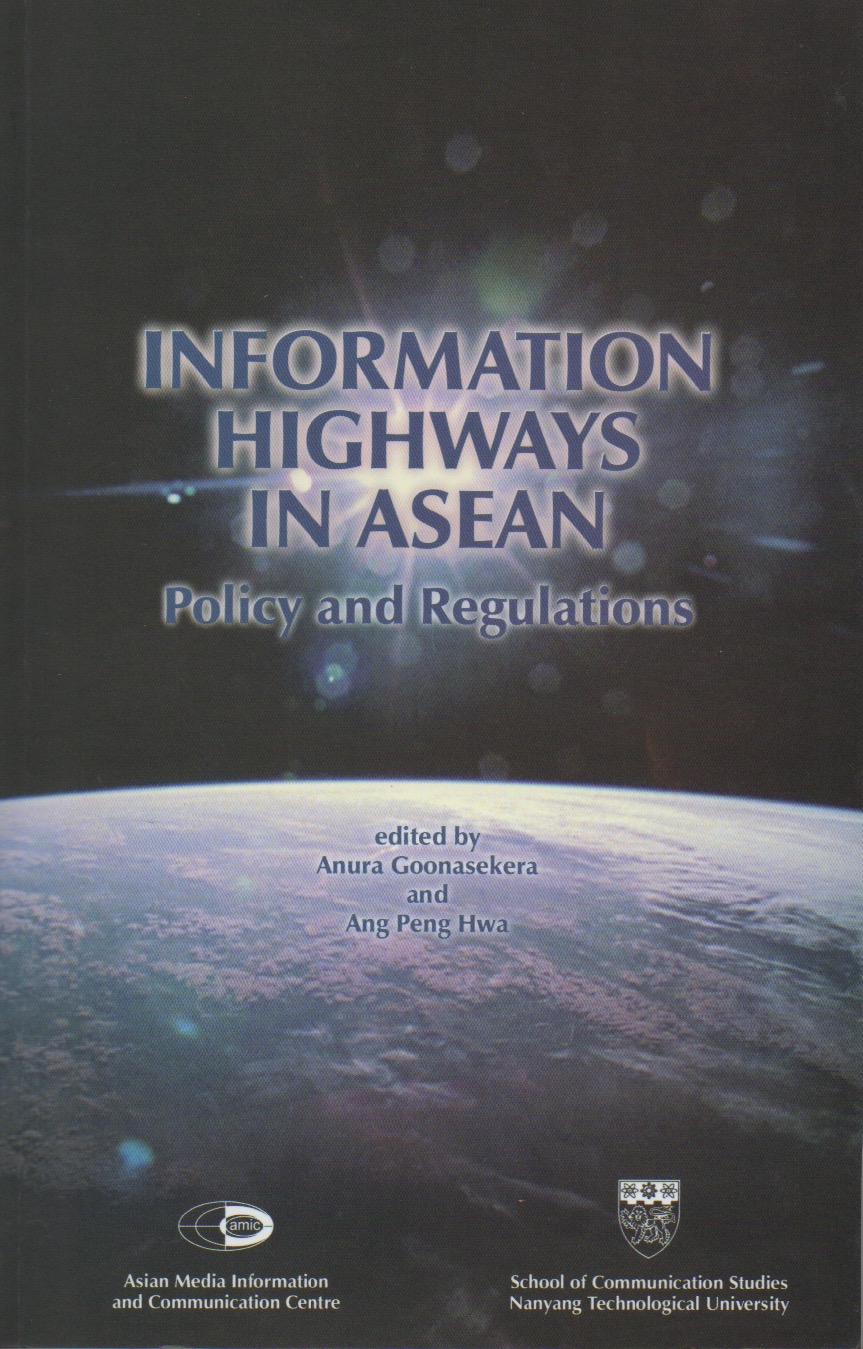
Information Highways in ASEAN
Edited by Anura Goonasekera and Ang Peng Hwa
ISBN 9971-905-77-9

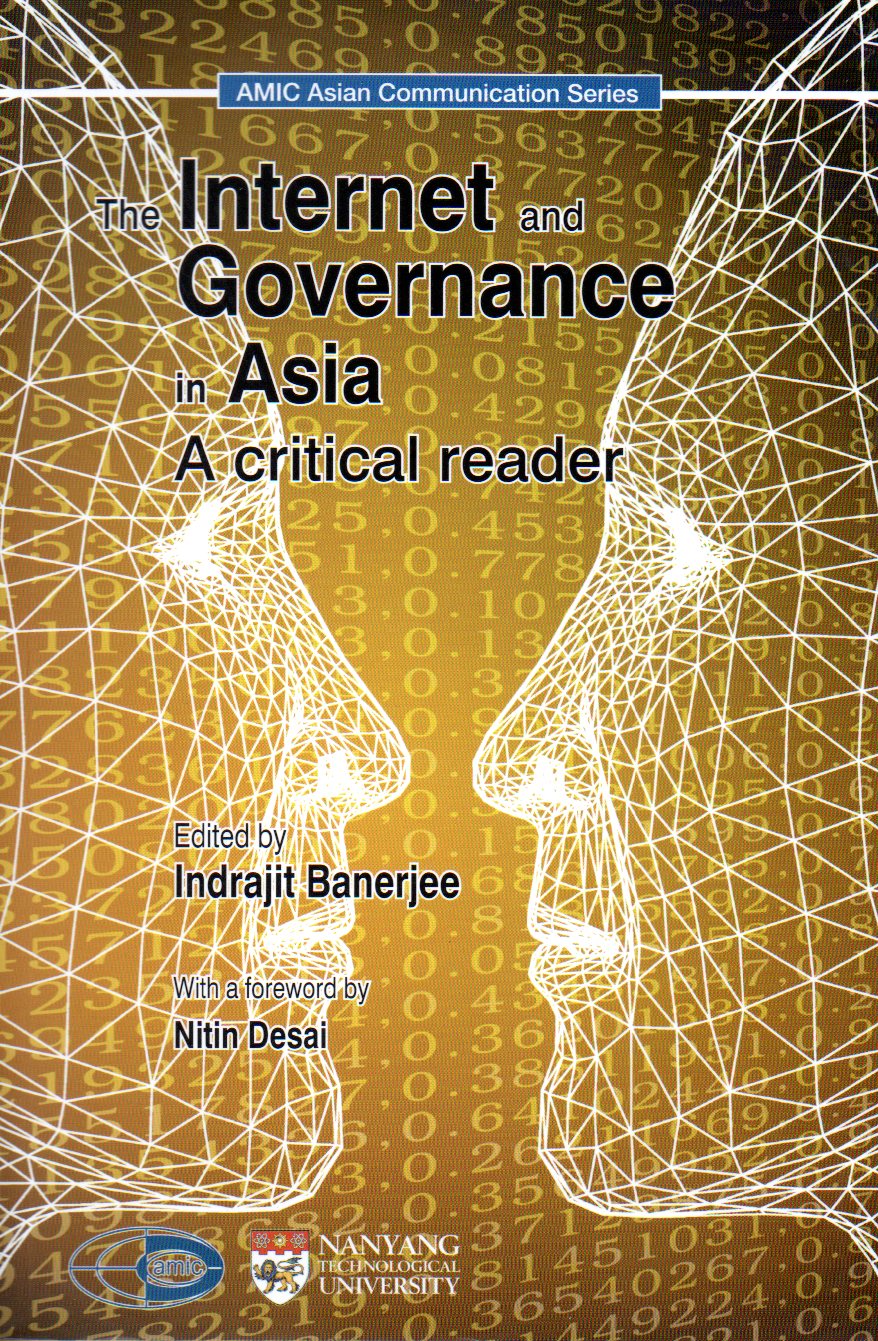
The Internet and Governance in Asia
Edited by Indrajit Banerjee with a foreword by Nitin Desai
ISBN 981-4136-02-6

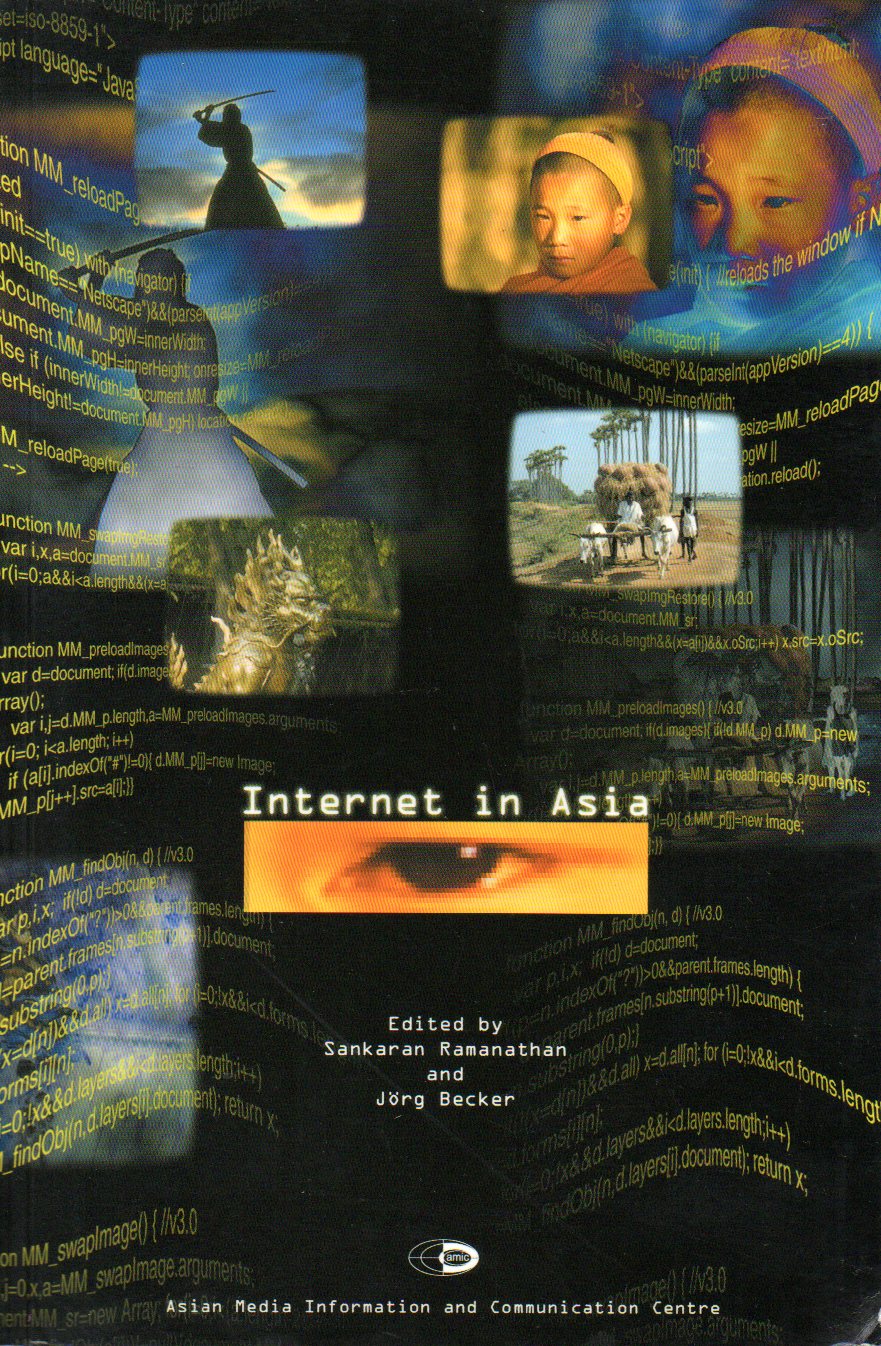
Internet in Asia
Edited by Sankaran Ramanathan and Jorg Becker
ISBN 9971-905-87-6

Kids On-Line
Edited by Kavitha Shetty
ISBN 9971-905-92-2

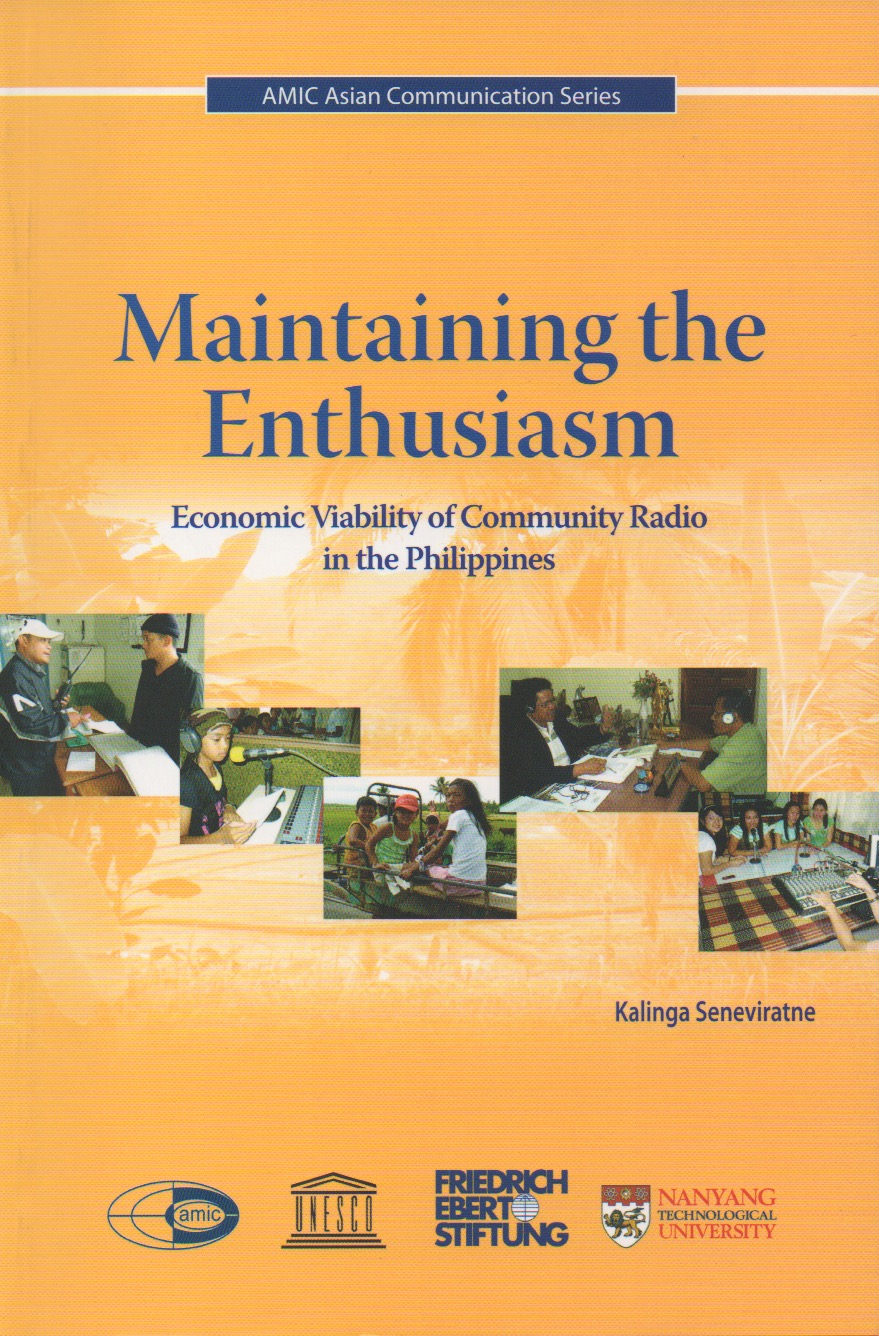
Maintaining the Ethusiasm: Economic Viability of Community Radio in the Philippines (2011)
Kalinga Seneviratne

The Philippines has one of the world’s largest commercial radio networks, a good network of government-funded radio and radio stations that are run by the Catholic church adding to over 500 radio stations across the country. In the early 1990s, community radio was introduced to the Philippines in the form of Tambuli project funded by the United Nations Educational, Scientific and Cultural Organization (UNESCO) and the Danish International Development Agency (DANIDA). Though radio is the most accessible media for the poor and marginalised communities, the radio licensing system in the Philippines has ensured that most stations are owned by rich families who are political king-pins themselves, according to the Louie Tabing, the founder of Tambuli community radio. When the Tambuli project started in 1991, an effort to make the radio stations independent of both government and commercial interests, the stations were designed as such that they would be governed by a Community Media Council a multi-sector body representing various stakeholders of the community they serve. The Asian Media Information and Communication Centre (AMIC) undertook this research project to assess the economic viability of the Tambuli model, after 15 years since it was originally introduced to the Philippines. A number of radio stations on the islands of Luzon and Mindanao were visited; many of the broadcasters, station managers and mayors were also interviewed. There were also extensive consultations with the Tambuli founder Louie Tabing. Titled Maintaining the Enthusiasm: Economic Viability of Community Radio in the Philippines , this book documents the opinions and the perspectives of many stakeholders in the community radio sector. It reflects both the success stories and barriers facing the community radio in the Philippines. This book reflects the observations of the researcher in and after the initial enthusiasm the volunteer-driven model of community radio face many obstacles if no sustainable financial resources are made available to the project. It also discusses this issue and recommends methods to help community radio becomes economically sustainable. The findings of this study may be useful for not only the Philippines but many countries in Asia that are embarking on the community radio path.

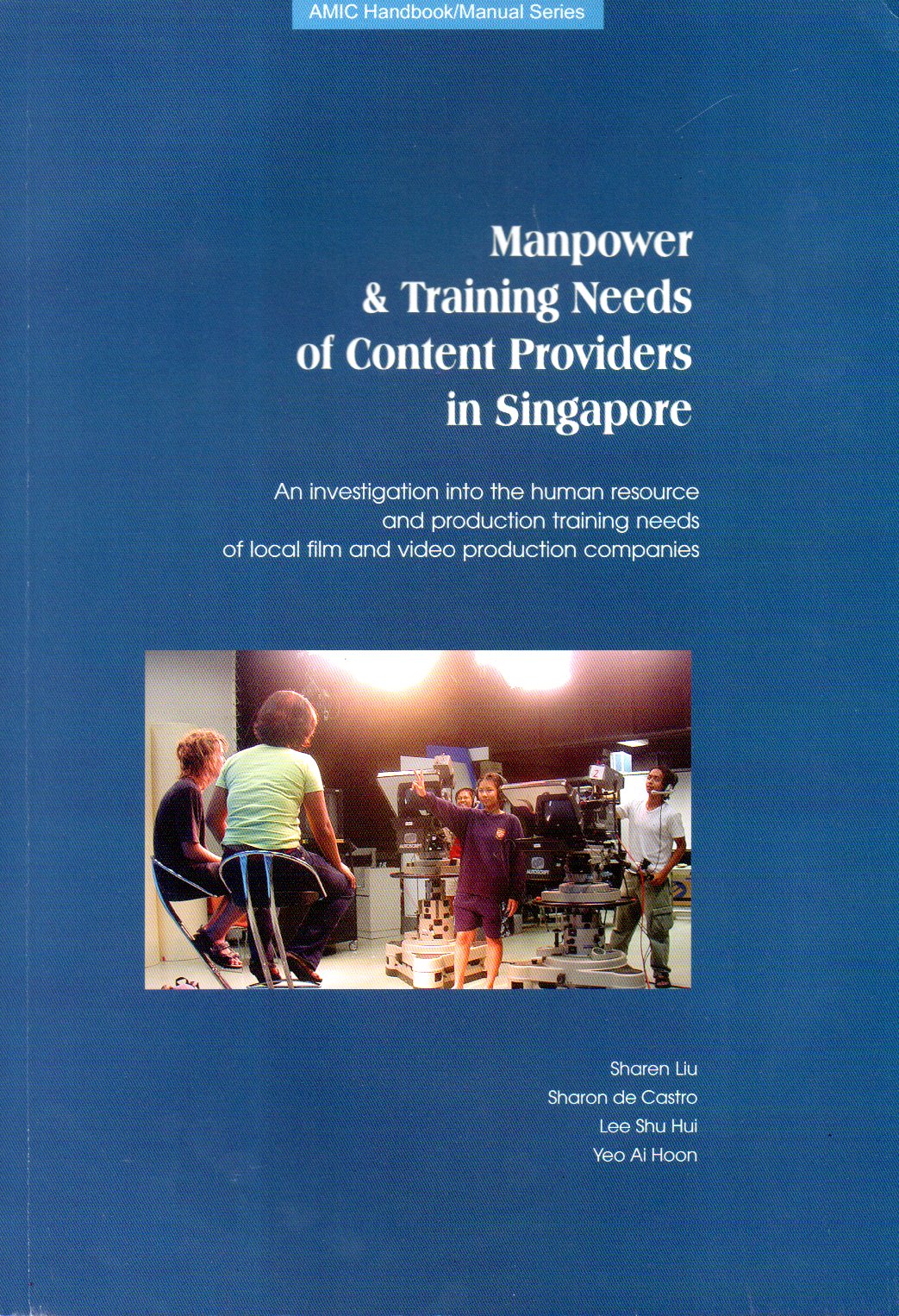
Manpower & Training Needs of Content Providers in Singapore
by Sharen Liu Sharon de Castro Lee Shu Hui Yeo Ai Hoon
ISBN 9971-905-95-7