Asian Journal of Communication’s journal ranking improves, Vol. 32, 2022, Issue 3 uploaded

Asian Journal of Communication’s journal ranking improves, Vol. 32, 2022, Issue 3 uploaded

Asian Journal of Communication’s journal ranking improves, Vol. 32, 2022, Issue 3 uploaded

Asian Journal of Communication (AJC), Volume 32, 2022, Issue 3, is now up and accessible online, while the journal is earning steadily rising scores in citation performance or Impact Factor (IF), according to Dr. Peng Hwa Ang, Editor in Chief.

Peng Hwa Ang announced that the Impact Factor (IF) of AJC has been rising, indicating improved non-self citation performance of the journal over a period of three years—from 0.743 in 2019, to 1.893 in 2020, and 2.074 in 2021. (Source: Clarivate, Journal Citation Reports 2020-2022)

“I suspect the rise may be due to the wider reach as we have promoted published articles through social media—specifically Facebook and Twitter—with the help of our social media editor,” said the Editor.

AJC, the flagship research journal of the Asian Media Information and Communication Centre (AMIC), was founded in 1991 as a platform for Asia-Pacific perspectives in communication research.  It appears six times a year and is co-published by the National Technological University (NTU), Singapore.

(For the full backgrounder on the Asian Journal of Communication by the Editor, click here.

(Here’s the link to the current AJC issue: https://www.tandfonline.com/journals/rajc20)

Media Asia’s journal ranking improves, publishes issues ahead of schedule

Media Asia’s journal ranking improves, publishes issues ahead of schedule

Media Asia’s journal ranking improves, publishes issues ahead of schedule

By Danilo Araña Arao
Editor, Media Asia

Media Asia continues to improve journal ranking as it publishes issues ahead of schedule.

Based on Scimago Journal & Country Rank data as of April 2022 (https://www.scimagojr.com/journalsearch.php?q=23067&tip=sid&clean=0), the quarterly journal’s highest quartile ranking is pegged at Q2 (Linguistics and Language). Scimago’s metrics are based on Scopus data which compute Media Asia’s CiteScore 2021 at 0.5 (https://www.scopus.com/sourceid/23067).

Aside from Scopus, the quarterly journal is abstracted and indexed in EBSCO Research Databases (Bibliography of Asian Studies, Associates Programs Source Plus, Communication & Mass Media Complete, Communication Source, Military Transition Support Center, Vocational Studies Complete); ProQuest (Business Premium Collection, Asian & European Business Collection, ProQuest Central, ProQuest Central Basic, ABI/INFORM Professional Advanced, SIRS Editorial, eLibrary); Dimensions; IngentaConnect; Portico; Informit full text content; and J-Gate.

Based on the final decisions on submitted manuscripts from 2020 to 2022 (as of April only), Media Asia’s acceptance rates are computed at 10.65% (refereed articles) and 46.31% (non-refereed editorials, commentaries and reviews).

As of the first semester of 2022, the March, June and September 2022 issues of Media Asia are already published. As early as now, the issue line-up for December 2022 is already final and is expected to be published ahead of schedule as well. The issue themes for 2022 are Unrest (March), Struggles (June), Body Biases (September) and Mediated Youth (December).

Since the current editorial board took over in 2020, the journal has had increased manuscript submissions while successfully being re-indexed in Scopus. It has also established its presence on social media through its Twitter account @MediaAsiaJourn.

Published since 1974, Media Asia is a peer reviewed quarterly journal that focuses on practices in journalism, advertising, public relations, entertainment and other aspects of media in Asia. It publishes relevant media-related studies in Asia like freedom, ethics, working conditions, ownership, campus press, community press, corporate media, alternative media, literacy, language and culture of impunity.

Nominations now open for 2022 AMIC Asia Communication Awards

Nominations now open for 2022 AMIC Asia Communication Awards

Nominations now open for 2022 AMIC Asia Communication Awards

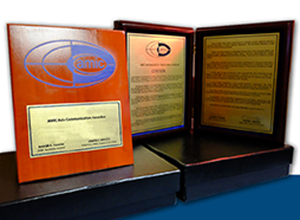
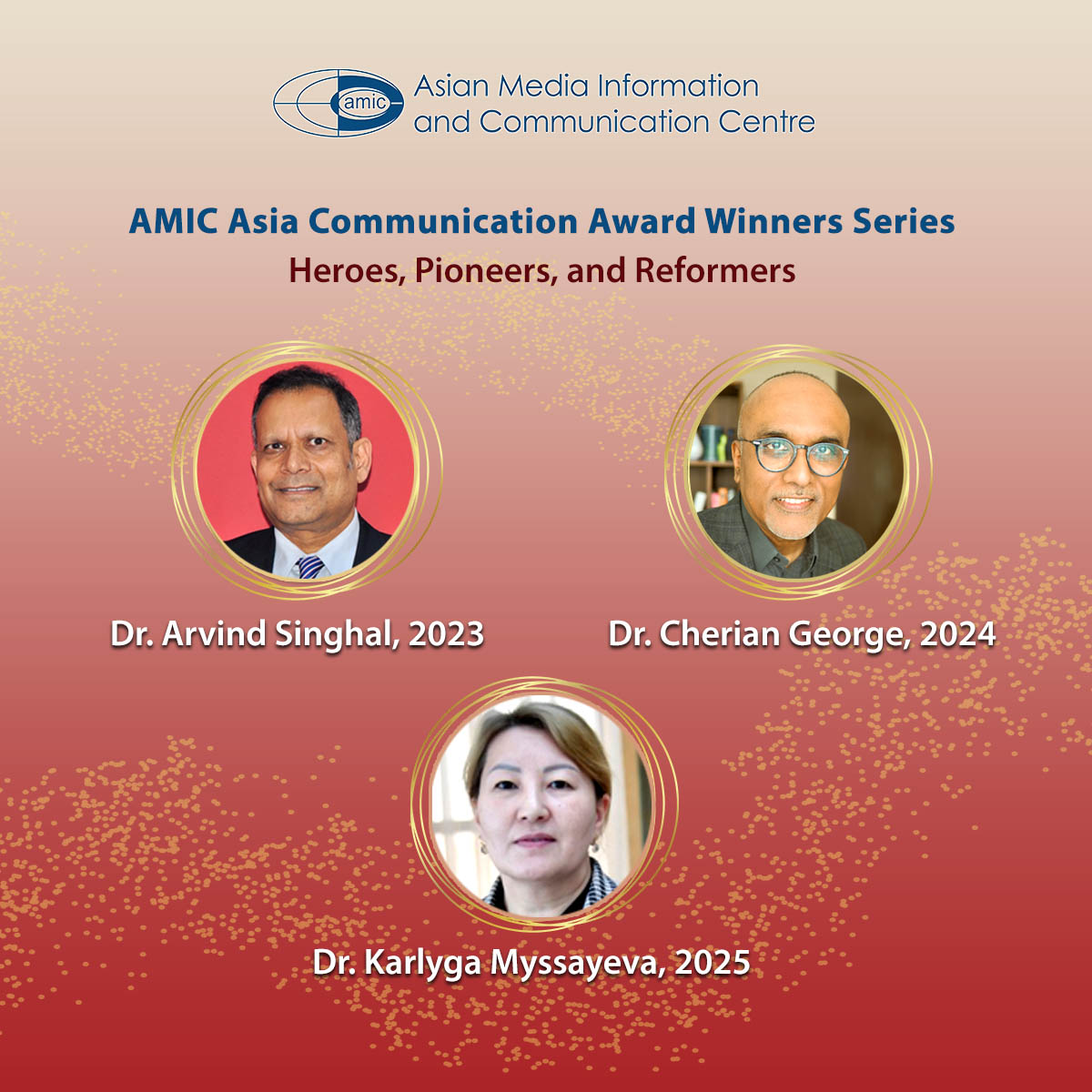
AMIC is pleased to announce that the 2022 AMIC Asia Communication Award is now open for nominations. Started in 2006, the Award recognizes outstanding achievements in Asian communication media.

The award categories are in the following areas: Truth in Journalism Award, Transformative Leadership Award, Teaching Hero Award, and Disruptive Inquiry (Communication Research).

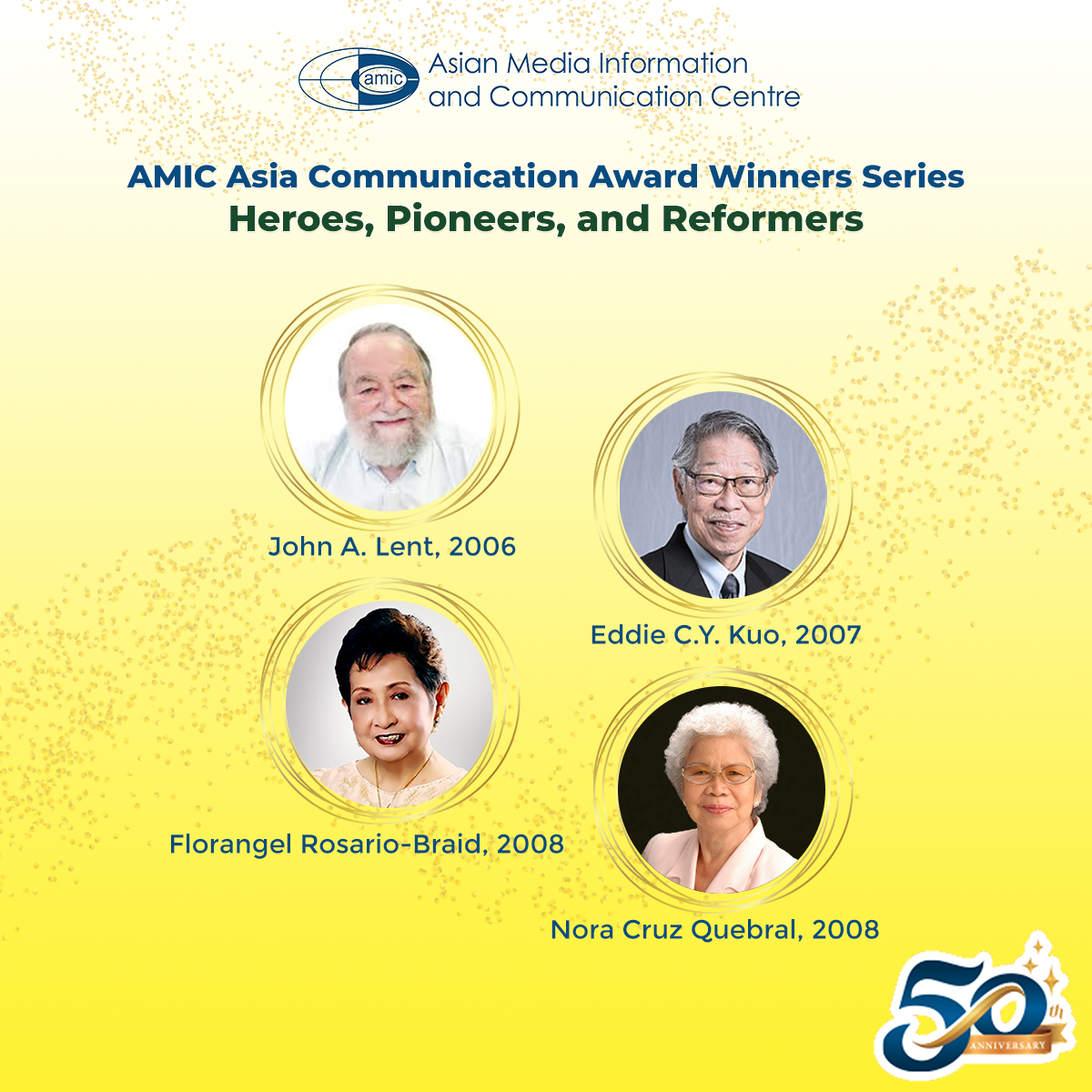
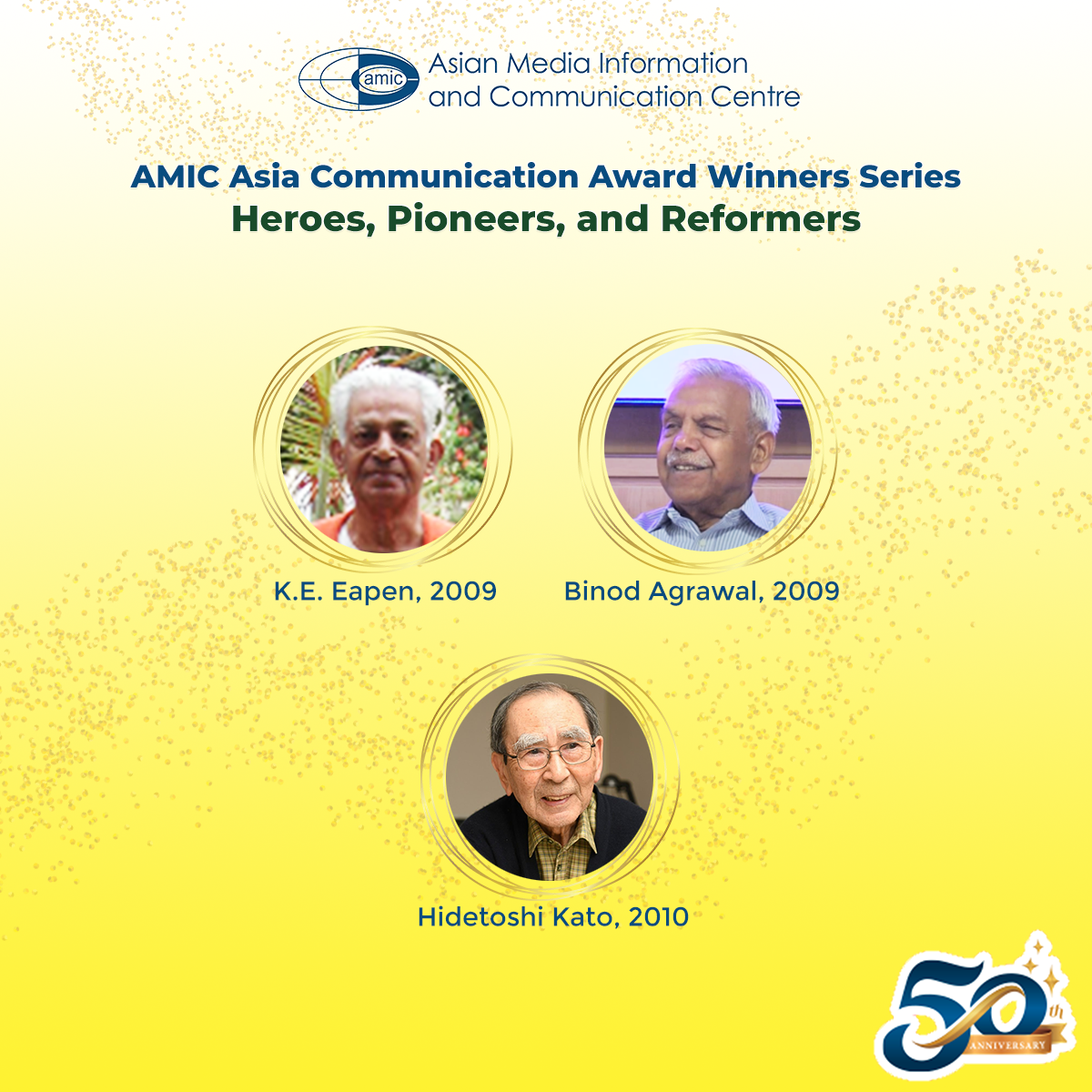
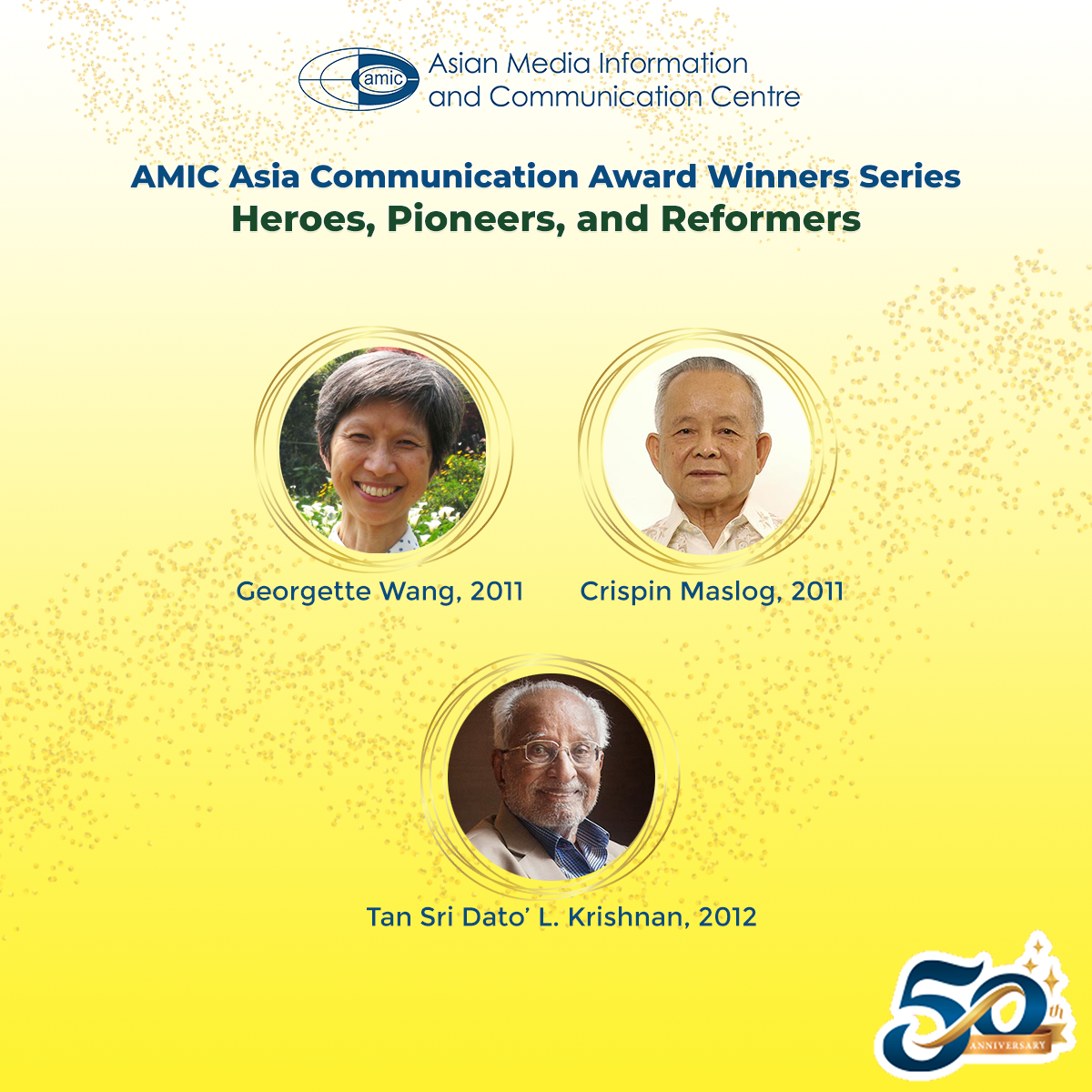
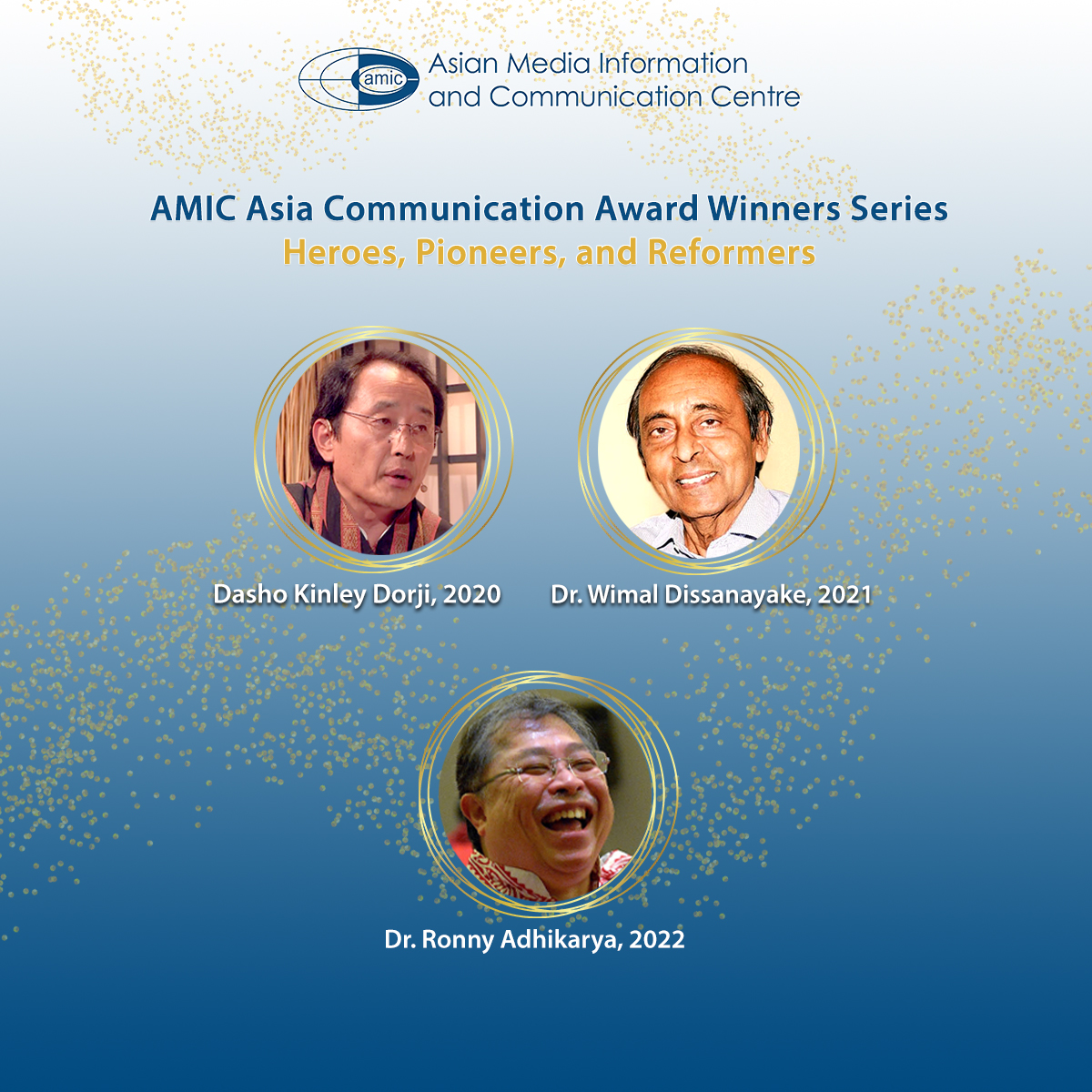
Since its inception, the Award has been conferred to 22 communication scholars, educators, and practitioners. Previous winners include Who’s Who in Asian Communication, e.g., Eddie C. Y. Kuo, Nora Quebral, Binod Agrawal, and Georgette Wang. The last two winners were Dasho Kinley Dorji (2020) and Wimal Dissanayake (2021). 

Nomination form is available at https://amic.asia/amic-communication-awards/. Nominators should send the accomplished form, together with a nomination letter to awards@amic.asia. The closing date for nomination is on 30 August 2022.

AMIC-UNESCO partnership promotes MIDL in Cambodia

AMIC-UNESCO partnership promotes MIDL in Cambodia

AMIC-UNESCO partnership promotes MIDL in Cambodia

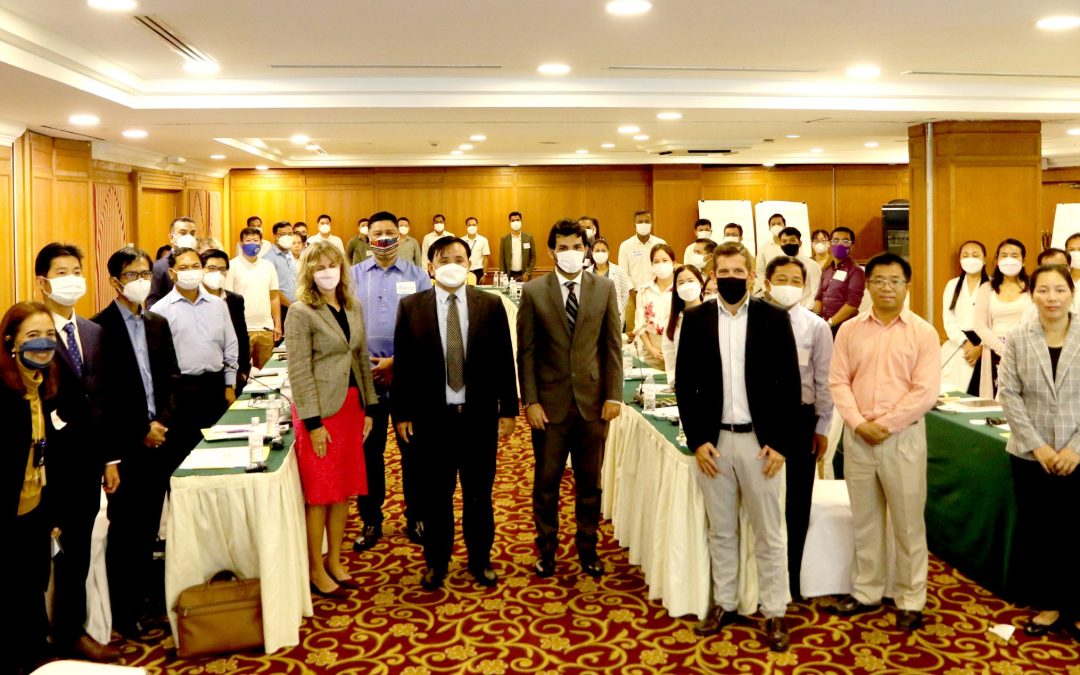
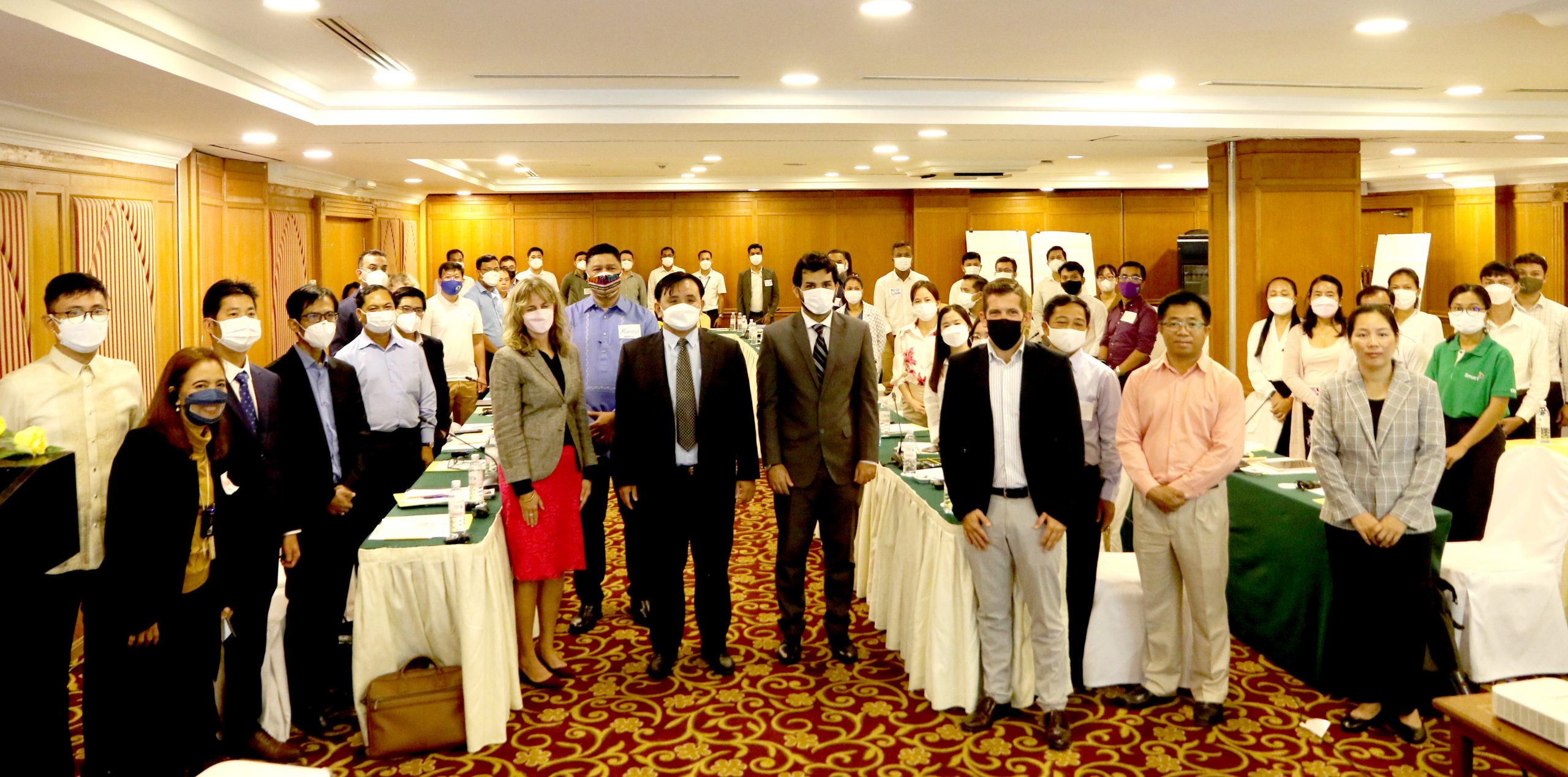
UNESCO Cambodia and the Ministry of Post and Telecommunications, together with their partners from AMIC, held a consultative workshop on MIDL for representatives from government and other sectors, in Phnom Penh last June 20-21.

The Asian Media Information and Communication Centre (AMIC) has partnered with UNESCO Phnom Penh to promote media, information and digital literacy (MIDL) in Cambodia. The project coincides with Cambodia’s launching of its policy frameworks for a digital economy, society, and government spanning the years 2021 to 2035.

“MIL as an encompassing concept for various literacies, including digital literacy, is a set of key competencies that will enable Cambodian citizens to participate more actively and productively in discourses, enhance collaboration amidst diverse ideas and opinions, and assert the crucial role of legacy and social media in digital citizenship,” said Marco Polo, MIL expert who heads the AMIC team for this project.


Joining Polo’s team are Joeven Castro, a digital literacy expert; Imelda Samson, finance and administration lead; Fernando Academia Jr., research associate; and Ramon Tuazon, overall consultant and AMIC secretary-general. Two Cambodians Rachna Thim and Sourkea Heng serve as language writer-editor and translator, respectively.

Heading the UNESCO team, on the other hand, is Mikel Aguirre-Idiaquez, project officer, together with Bunleng Bheap, national consultant of the Communication and Information unit.

“The proposed MIDL competency framework will be our contribution to managing the challenges that beset media such as the phenomena of disinformation and the growing global Internet overregulation. Through this project, we hope that the stakeholders will realize the importance of and practice healthy and factual conversations,” said Aguirre-Idiaquez.

AMIC provided technical support  in a two-day consultative workshop held by UNESCO and the  Cambodian Ministry of Post and Telecommunications (MPTC) in Phnom Penh on 20 and 21 June 2022.

According to the UNESCO Cambodia website, 41 representatives from all sectors of Cambodian society and Government contributed to the discussion and validation of the National Media, Information and Digital Literacy (MIDL) Competency Framework that is being developed by UNESCO and the Ministry.

The announcement said the workshop is the last step in an inclusive and participatory process started in 2021, which includes an analysis of the socio-political context of Cambodia through an extensive literature review and a rapid needs assessment survey among key institutions and sectors. 

The Framework will be used as basis “to build the capacities of Cambodian citizens to become media, information and digital literate.”

The AMIC-UNESCO tandem collaborated with the Ministry of Post and Telecommunications (MPTC) led by His Excellency E Sophea, undersecretary of State and MPTC’s project manager.

Fifty-seven (57) respondents from five sectors answered the rapid assessment instrument primarily based on UNESCO’S MIL concepts, Digital Literacy Global Framework, and the European Commission’s Digital Competence for Citizens. Representatives from the government, civil society, academe, business, and the youth sectors participated in the study.

The project to be mainstreamed as MIDL for Cambodia aims to complement and support Cambodia’s digitalization programs.

AMIC and UNESCO believe that the MIDL project is timely and appropriate, given that 79 percent of Cambodia’s population had internet access in 2020, compared to 14 percent in 2014, according to the International Telecommunication Union.

This increasing internet penetration indicates the government and telecommunication companies’ continuous investment in information and communications technology infrastructure and the citizens’ growing appetite for digital interactions.

“Equipping stakeholders with a set of MIDL competencies will help them navigate the opportunities and challenges of a digital world,” Polo stressed.

Results of the rapid assessment showed the respondents’ focus on functional digital literacies such as learning digital tools for work productivity. They also identified disinformation as a high risk to healthy debate and decision-making.

AMIC-UNESCO’s partnership, thus, aims to create a competency framework that will strengthen and expand current MIDL initiatives that civil society organizations started. It will also fill gaps in capacity-building programs, particularly on critical digital literacies such as understanding digital media’s algorithms, artificial intelligence, and analytics.

The project’s desk research, anchored on international standards, will also underscore the importance of promoting the reciprocal relationship between socio-economic development and human rights in a digital economy.

The MIDL project is supported by the Swedish International Development Cooperation Agency (SIDA).

For more information, contact: m.polo@amic.asia