Media Asia Editor Conducts

Media Asia Editor Conducts

Media Asia Editor Conducts Election Coverage Training for Bhutanese Journalists

By AMIC Secretariat

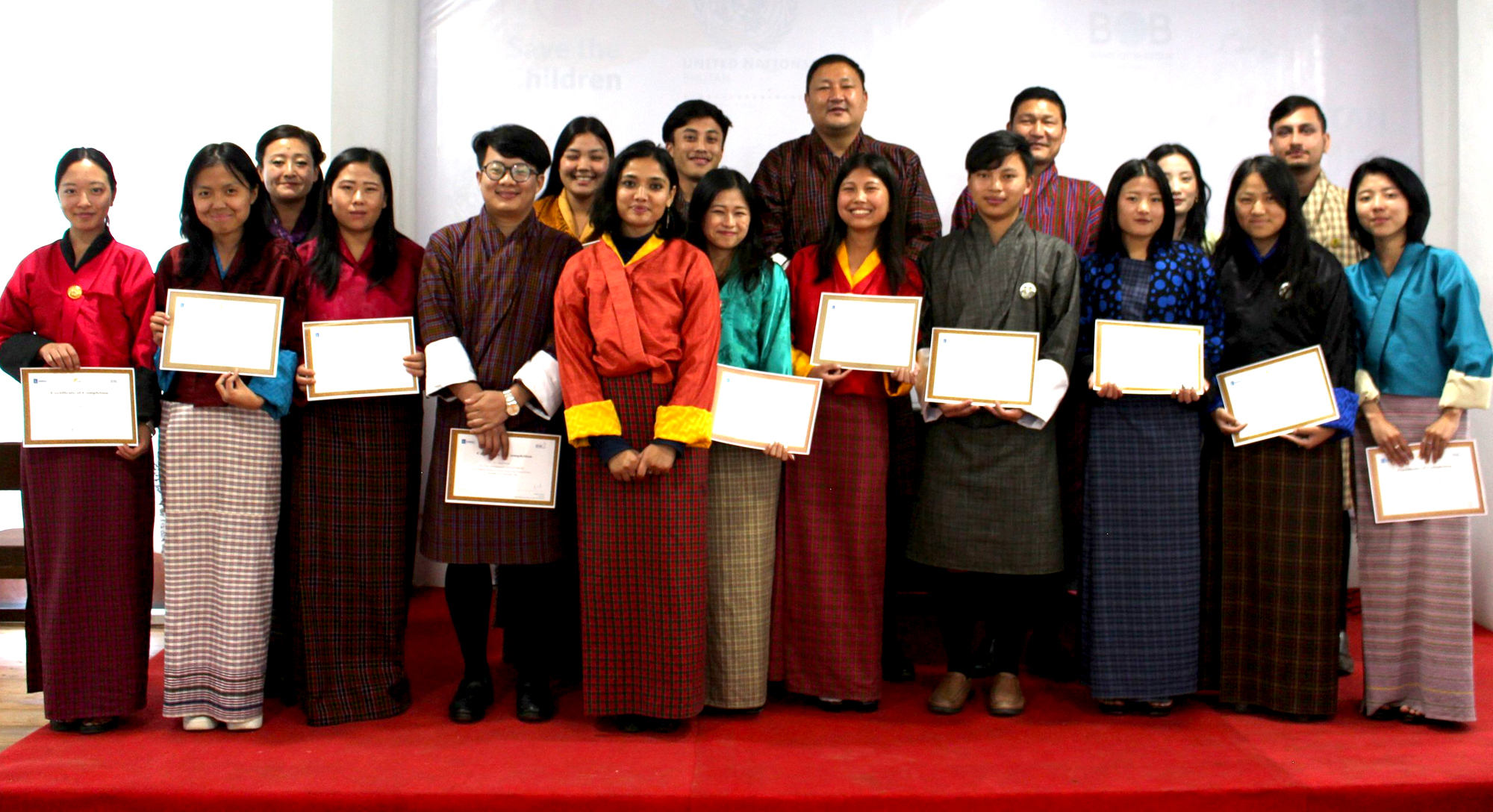
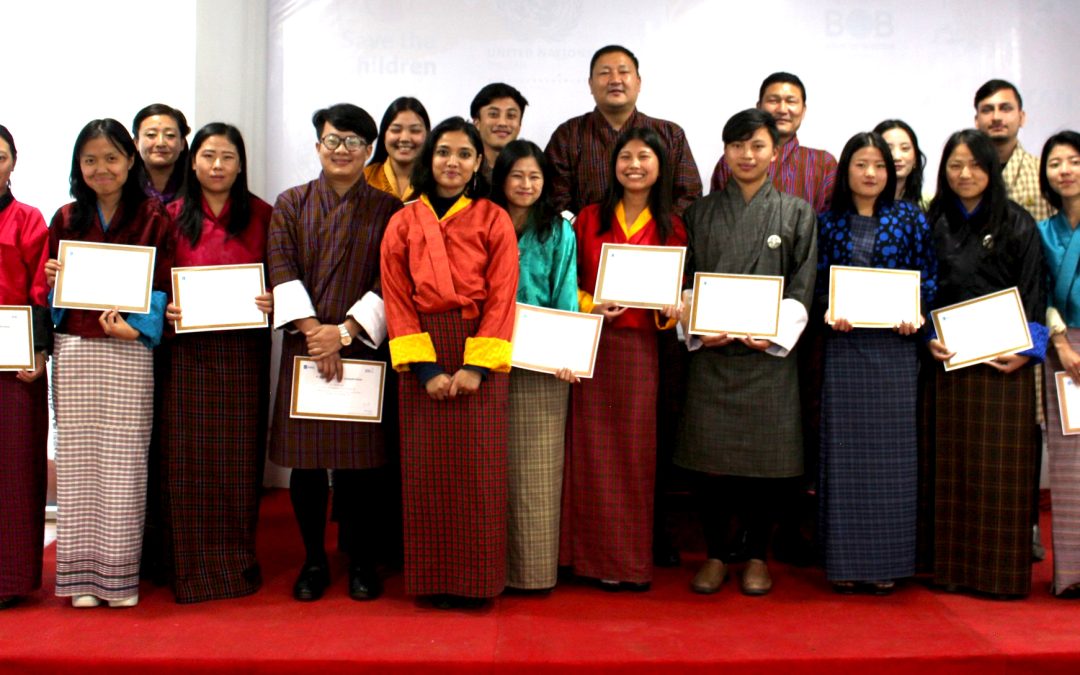
The Editor of Media Asia conducted a three-day training on election coverage for Bhutanese journalists.

Danilo Araña Arao, an associate professor of journalism at UP Diliman and a convenor of election watchdog Kontra Daya (Against Fraud), held it from November 13 to 15, in time for the 4th National Assembly elections scheduled on November 30.

Seventeen journalists from The Bhutanese, Business Bhutan, Kuzu FM, and Gyalchi Sershog participated in this activity.

The training aimed to have an overview of the election system in Bhutan; share knowledge, skills, and values in election coverage; and assess the participants’ knowledge, skills, and values through workshops.

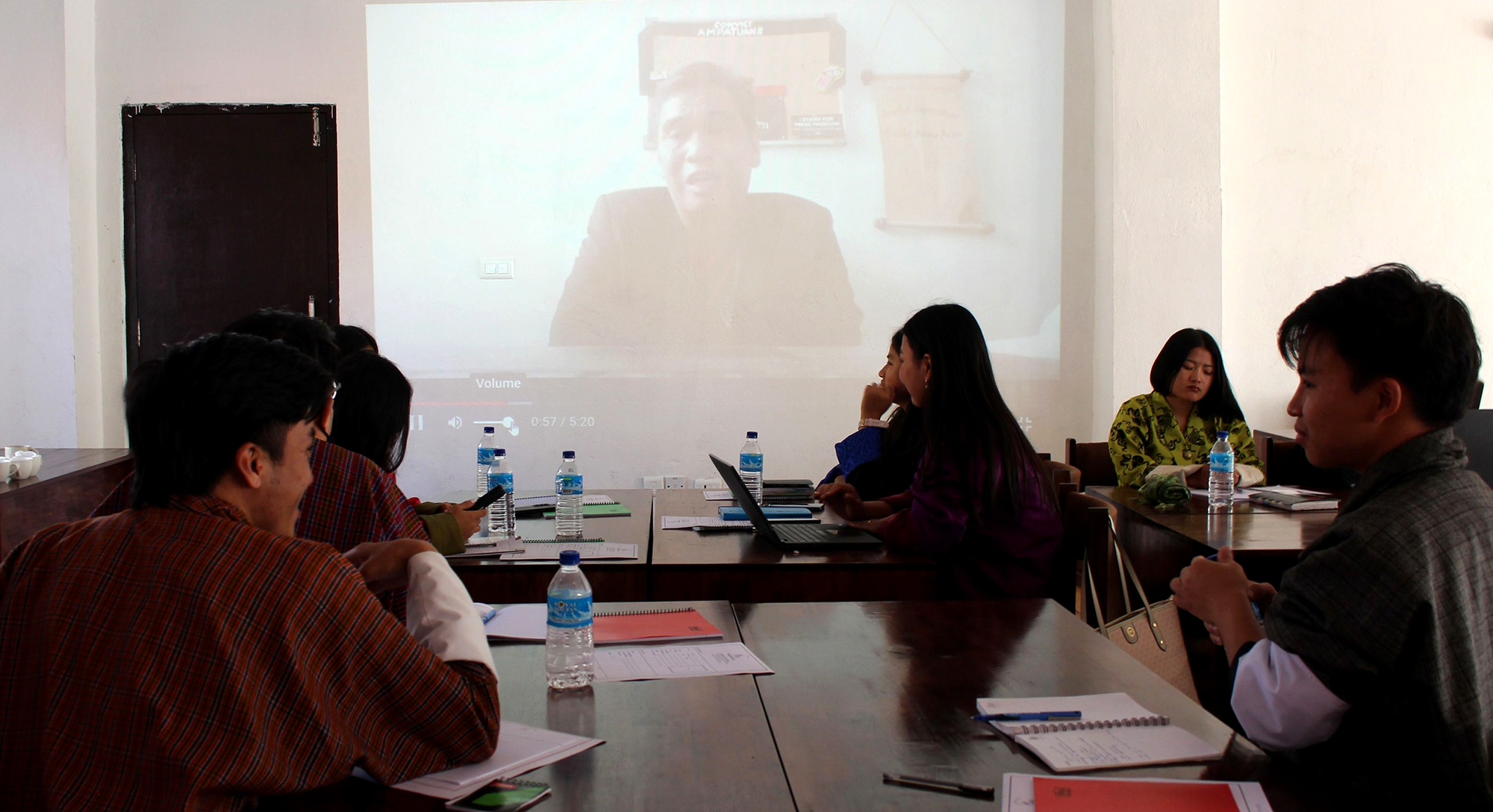
Arao designed the program, in consultation with the Bodhi Media and Communication Institute (BMCI). Aside from Arao who discussed the basics of election coverage during the first day, other resource persons from the Election Commission of Bhutan (ECB) and the Journalists’ Association of Bhutan (JAB) presented election regulations and media guidelines during the second and third days.

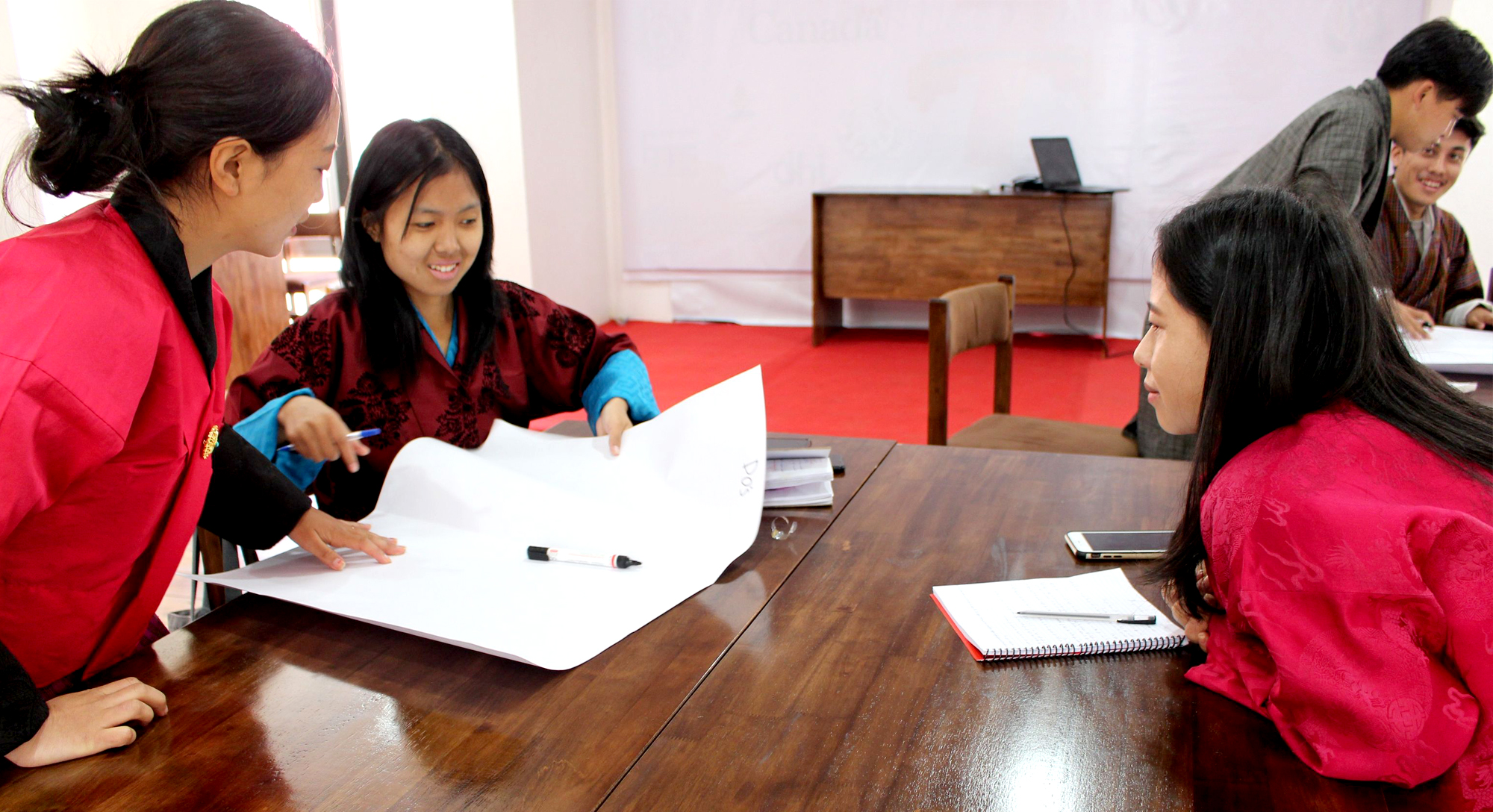
Aside from inputs and case study presentations, the training consisted of workshops in news writing, interviewing and analyzing election coverage guidelines.

2026 Manila Declaration

2026 Manila Declaration

AMIC Manila Declaration 2026

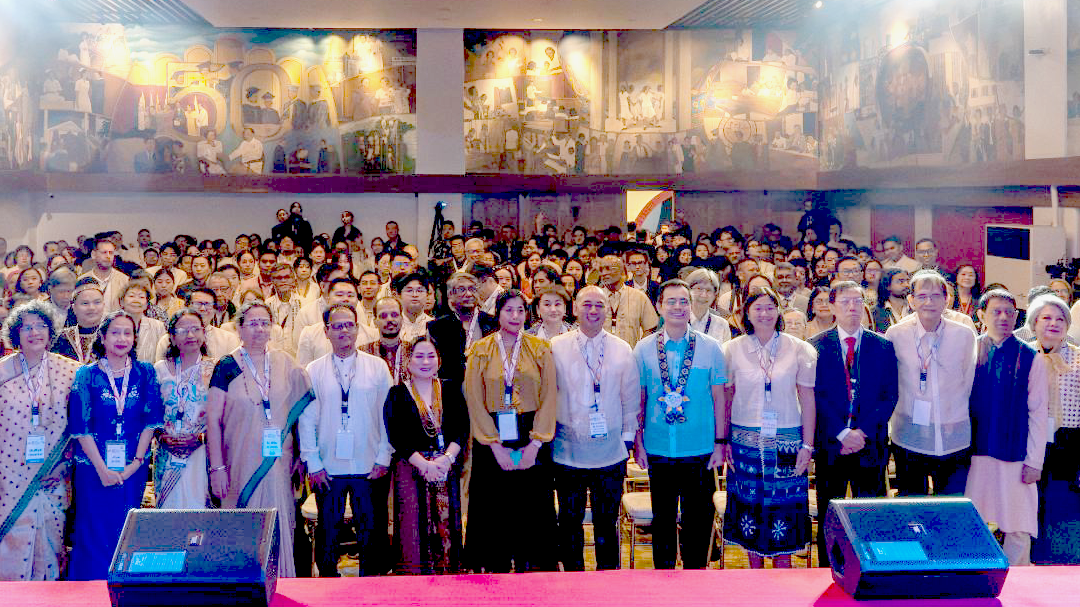
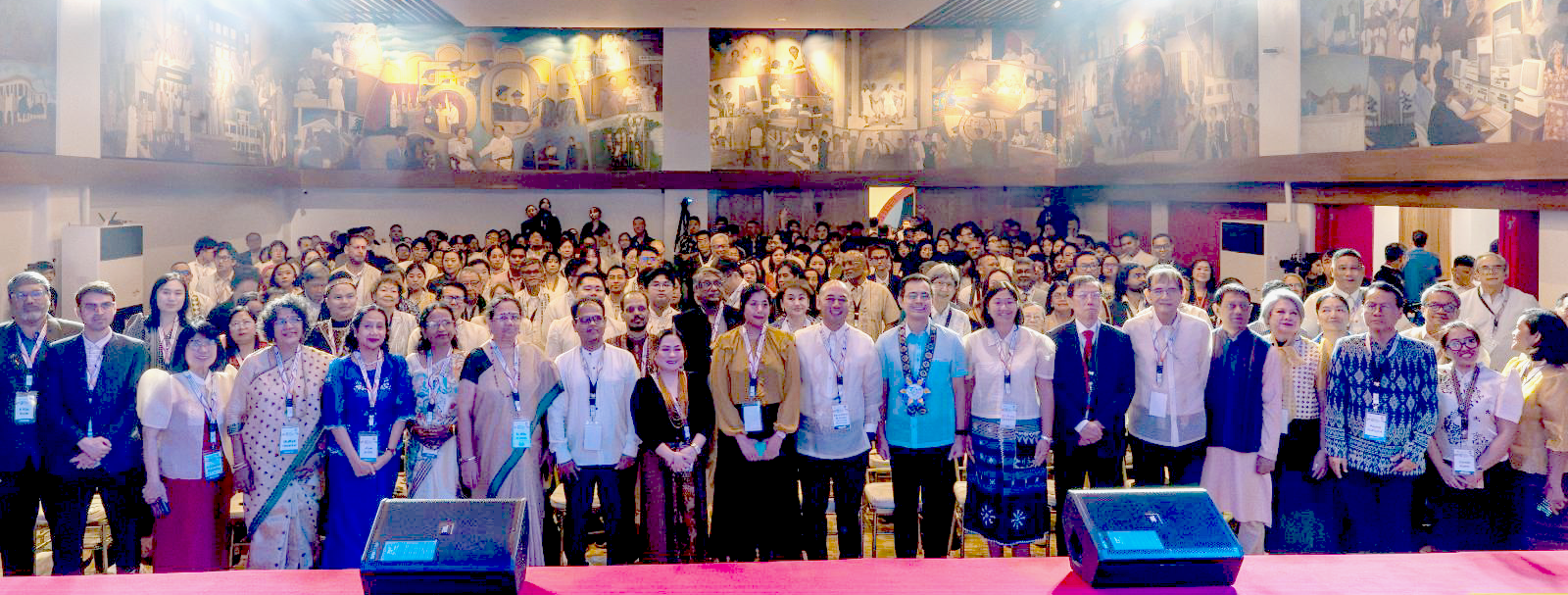
32nd AMIC Annual International Conference
Public Trust, Public Voice: The Role of Communication in Public Governance
Philippine Women’s University
Manila, Philippines |  7 November 2026

Preamble

We, the members of the Asian Media Information and Communication Centre (AMIC) and the delegates to its 32nd Annual International Conference, representing academe, media, government, civil society and technology across Asia and the Pacific, have gathered in Manila under the theme “Public Trust, Public Voice: The Role of Communication in Public Governance.”

We meet at a time when public trust is fragile, when information travels faster than it can be verified, and when artificial intelligence is reshaping how news is made, shared and believed.

We hold that communication is more than the transmission of messages. It is how citizens are heard, how power is held to account, and how communities live together in peace.

Drawing on the ideas our members and delegates contributed during this Conference, we commit ourselves to six pledges whose initials spell the name of our host city: MANILA.

The MANILA Pledges

M — Media and information literacy

Media and information literacy is the first defense of public trust. Citizens who can question what they read, hear and share are harder to deceive and easier to include. We commit to:

  • promote critical thinking in our communities; and
  • revitalize peace communication as a field of study and practice, so that communication serves understanding rather than division.

A — Accountability and transparency

All public communication must be accountable and transparent. Every government, newsroom and platform in the region should communicate truthfully, accurately and honestly. We commit to:

  • make our sources clear and verifiable;
  • correct our mistakes openly and promptly; and
  • hold one another to the same standard.

N — Nurturing communication rooted in Asia

We owe it to our students, researchers and societies to nurture communication rooted in Asia. The region’s traditions of dialogue and shared meaning belong at the center of how we teach, practice and study communication. We commit to:

  • reshape our teaching around communication theories and practices born in Asia;
  • build university media labs that link research, practice and local communities; and
  • produce research-based data, books, manuals and a compendium of Asian communication theories and methods for future generations to build on.

I — Integrity, inclusion and independence

Integrity, inclusion and independence are inseparable. Reporting must be accurate, fact-based and free from bias, offered authentically and in service of the public good. We commit to:

  • ensure that all people, especially those at the margins, are fairly represented in what we publish and broadcast;
  • uphold free speech and stand in solidarity with fellow communicators; and
  • oppose censorship and undue state control of media wherever they occur.

L — Listening that leads to action

Citizens’ voices matter only when they change decisions. We commit to move beyond “consultation theater” toward consultations with real institutional consequences. We will:

  • create inclusive forums where dissent can be voiced and recorded safely;
  • hold regular dialogues between citizens and those who govern them;
  • build mechanisms that let citizens challenge decisions and demand evidence; and
  • keep carrying citizens’ concerns to government until they are acted upon.

A — Artificial intelligence in the public interest

Artificial intelligence must strengthen, never weaken, public trust and the integrity of public communication. We commit to:

  • label AI-generated content clearly;
  • protect journalistic work from unauthorized AI crawling and use; and
  • build public trust deliberately as these technologies reshape how news is made and shared.

Shared Responsibility

These commitments belong to all of us, but each sector carries a distinct share. We call on:

  • Academic institutions to teach critical thinking, peace communication, and Asian communication theories and methods; to align curricula and standards with these principles; and to publish research that tracks our progress. We ask academic practitioners, in particular, to practice what they teach.
  • The media to report transparently, correct errors openly and defend press freedom.
  • Governments to communicate truthfully, answer citizens’ challenges with evidence and refrain from censorship.
  • Civil society to convene community dialogues and keep citizens’ concerns before decision-makers.
  • Technology platforms to label AI content, respect copyright and design systems that protect the integrity of public communication.

Measuring Our Progress

We will judge this Declaration by evidence, not intentions. When AMIC meets again in 2027, we expect to see early evidence of:

  • measurable gains in media literacy and in public trust in governance;
  • progress toward peace and social harmony;
  • more sustainable journalism;
  • policy changes that arose from citizens’ concerns;
  • AI labeling and copyright safeguards adopted by newsrooms and platforms; and
  • research-based data, books, manuals and a compendium of Asian communication theories and methods produced by our institutions.

We will track progress through:

  • a scorecard reviewed by independent parties;
  • a short annual progress report from each participating country;
  • public reporting by a designated representative of each participating institution; and
  • published research on the Declaration’s outcomes.

Our Pledge

We affirm that public trust is built, not assumed, and that public voice is a right, not a favor. We pledge to carry the MANILA commitments into our classrooms, newsrooms, offices, communities and platforms, and to return in 2027 ready to show what has changed.

Adopted in Manila, Philippines, on 7 November 2026, by the members of the Asian Media Information and Communication Centre and the delegates to its 32nd Annual International Conference.

Terima Kasih!

Terima Kasih!

Terima Kasih!

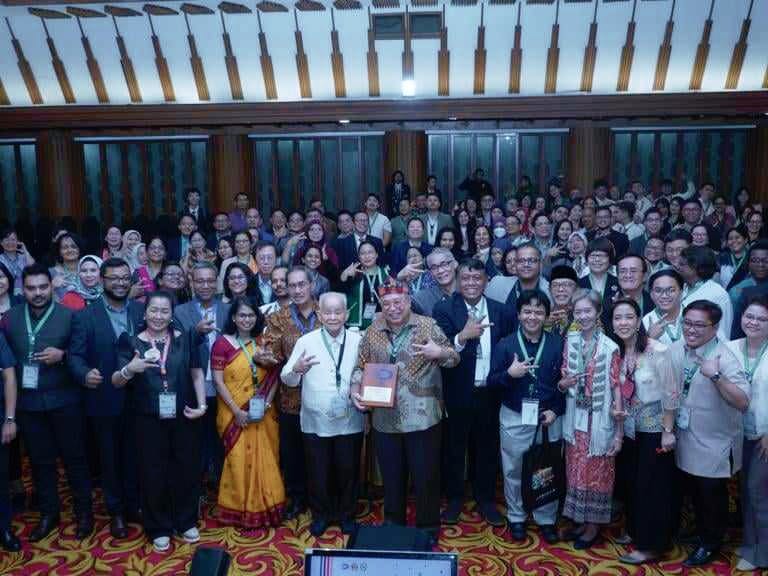
The Asian Media Information and Communication Centre Inc. (AMIC) extends its appreciation to our speakers, presenters, participants, and guests who ensured the resounding success of the 29th AMIC Annual Conference held in Bandung, Indonesia from 28 to 30 September 2023. The conference recorded almost 300 participants including 237 parallel paper presenters. Our plenary and parallel speakers came from 22 countries and territories. The conference adopted the 29th AMIC Annual Conference Resolution which commits to further strengthen networking and partnership among communication professionals in Asia Pacific and Africa.

AMIC recognizes the valuable support of our co-hosts, Universitas Padjadjaran (UNPAD) and Far Eastern University (FEU), Manila. We also acknowledge the support of the government of West Java.

For the coming days, AMIC has lined up various projects and activities for our members and friends. We are confident that you will sustain your interest and commitment to your AMIC. If you have suggestions on how to strengthen your organization, please email us at info@amic.asia.

AMIC Secretariat

Registration Guidelines

Registration Guidelines

Registration Guidelines

29th AMIC Annual Conference
28 to 30 September 2023
Bandung, Indonesia

Who may join the conference? 

  • Undergraduate students of Communication, Media Studies, Social Sciences, or related disciplines;
  • Graduate School students of Communication, Media Studies, Social Sciences, or related disciplines;
  • Communication and media educators;
  • Communication and media researchers;
  • Media practitioners;
  • Communication practitioners (public relations, advertising, marketing, and related disciplines)
  • Communication and journalism educators, scholars, and practitioners who are interested to ATTEND only but have no intention of presenting a paper

How can interested participants register?

Step 1: Sign up via the official registration form:
https://docs.google.com/forms/d/e/1FAIpQLSdYnqbqVl8DHPVzbTdCEz3RZsTKZTKOewp1lROBZ845X-YMeg/viewform

Step 2: Pay the registration fee

Step 3: Send proof of payment to info@amic.asia

Step 4: Await confirmation email

How much is the registration fee?

Special Promo Bundle (with one-year regular membership and registration fee)

USD375.00

Non-AMIC members
Those who have not yet renewed their membership with AMIC or have not signed up as AMIC members as of the date of registration

USD350.00

Graduate and Post-Graduate Students
Those who are pursuing post-Baccalaureate and Doctorate courses

USD275.00

Active AMIC members
Those who have paid their 2023 annual membership fees as of the date of registration

USD250.00

Undergraduate Students (without meals)
Those who are currently pursuing College or University degrees; limited slots only

USD75.00

What is covered by the registration fee?

  • Lunch, morning, and afternoon snacks from Days 1 to 3 of the conference (except for those availing themselves of the Undergraduate Student’s rate)
  • Access to all plenary and parallel sessions in Bandung, Indonesia

How will participants pay the registration fee?

Payment of registration fees may be made via bank transfer through AMIC’s official accounts:

For Philippine Peso Account

Account Name:       Asian Media Information and Communication Centre Inc.
Bank Name:              Bank of the Philippine Islands
Bank Address           Mayflower Annex Bldg., 88 United St., Greenfield District
                                         City of Mandaluyong, Metro Manila, Philippines
Account No:               000-183-374-869

For US Dollar Account

Account Name:         Asian Media Information and Communication Centre Inc.
Bank Name:               Bank of the Philippine Islands
Bank Address            Mayflower Annex Bldg., 88 United St., Greenfield District
                                          City of Mandaluyong, Metro Manila, Philippines
Account No:                000-184-030-594
SWIFT Code                BOPIPHMM

Can participants register and pay at the conference venue?

Registration before the conference is encouraged. Walk-in participants are discouraged as priority seating will be given to those who have registered and paid in advance.

Where can interested participants email for inquiries on the conference?

Interested participants may email info@amic.asia for any concerns or queries about the conference.

Reasons Why

Reasons Why

Reasons Why You MUST ATTEND
the 2023 AMIC Annual Conference

ASIAN MEDIA INFORMATION AND COMMUNICATION CENTRE (AMIC)
29th ANNUAL CONFERENCE

Theme: TALK ASAP: Africa-Asia Pacific Dialogue on Communication Issues

Acting Deputy SG

Acting Deputy SG

AMIC Acting Deputy Secretary-General Named

The Board of Management of AMIC has appointed Maria Sophia B. Varlez as acting Deputy Secretary-General effective February this year.

As ADSG, Varlez will assist Secretary-General Ramon R. Tuazon in coordinating the annual institutional and individual membership drives, preparing the annual, medium, and long-term plans and programs, coordinating with Taylor and Francis on the list of publication subscribers, and planning and managing the AMIC annual conference. She will also help in resource generation, partnership-building, and program management.

Before joining AMIC, Varlez was Director of the Professional Development Program of the Asian Institute of Journalism and Communication (AIJC), and worked with the Philippine Health Insurance Corporation for over 21 years, assuming various positions under the Corporate Affairs Group. She is currently a freelance communication consultant handling copyediting, teaching, and related activities. (END)